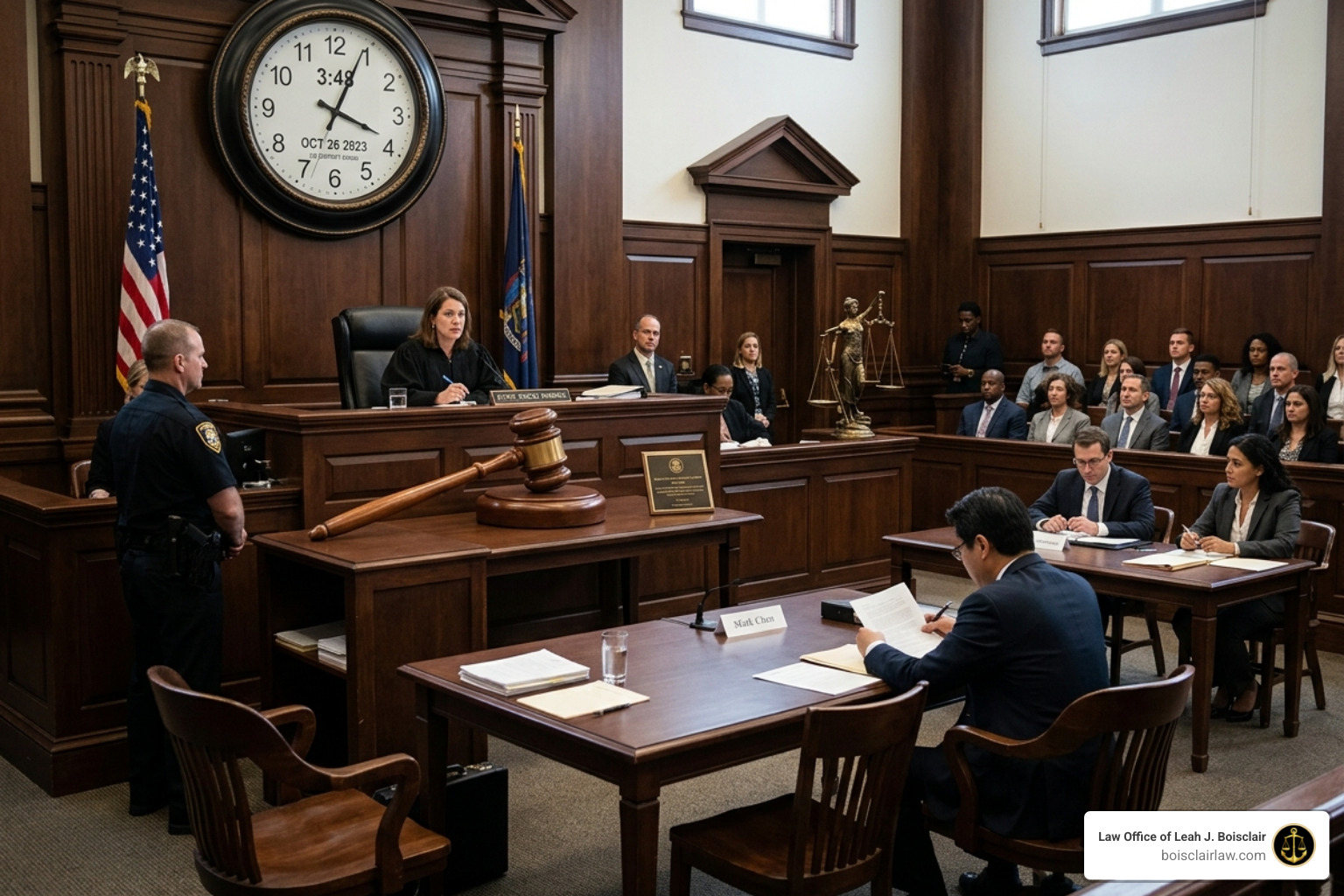

Understanding Domestic Abuse Offenses and Legal Definitions
In Rhode Island, domestic violence is not a single specific offense. Instead, it is a “tag” or designation added to other criminal offenses—such as simple assault, vandalism, or disorderly conduct—when the incident involves people with a specific domestic relationship. According to the Rhode Island General Laws as of April 2026, this includes spouses, former spouses, people related by blood or marriage, people who have a child in common, or people who are or were in a substantive dating or engagement relationship.
The legal definition focuses on a pattern of controlling behavior. It isn’t just about physical hitting; it can include stalking, cyberstalking, or even preventing someone from calling 911. Because these cases involve intimate relationships, the state views them through a different lens than a standard fight between strangers.
Under Rhode Island standards, these offenses are categorized into two main buckets:
- Misdemeanors: Most first-time domestic simple assaults fall here. While “minor” compared to felonies, they still carry up to one year in jail and mandatory penalties.
- Felonies: If a weapon is involved, if there is “domestic assault by strangulation,” or if you have two prior domestic convictions, you face felony offenses that carry significantly longer prison sentences.
To understand the full scope of how these laws are applied in our state, you can read more info about domestic offenses to see how the specific facts of your case might be classified.
Why You Need a Domestic Assault Attorney Immediately
The moment the handcuffs click, the clock starts ticking. In Rhode Island, if the police have probable cause to believe a domestic offense occurred, they are often required to make an arrest. You will likely be held overnight and brought before a judge for an arraignment the next morning.
This is the most critical window for your defense. At the arraignment, the judge will decide your bail and, almost certainly, issue a No-Contact Order (NCO). An experienced domestic assault attorney can argue for your release on personal recognizance and help navigate the immediate fallout of being barred from your own home. If you try to handle this alone, you might accidentally say something to the police or the judge that damages your case forever. Our advice is simple: Don’t go it alone when your freedom and reputation are on the line.
Differences Between Domestic and Simple Assault Offenses
While the physical act might be the same, a “domestic” assault is treated much more harshly than a “simple” assault. If you get into a scuffle with a stranger at a bar, it’s a simple assault. If that same scuffle happens with a live-in partner, it becomes a domestic offense.
The primary differences include:
- Mandatory Arrest: Police have less discretion in domestic calls.
- The No-Contact Order: This is automatic in domestic cases, meaning you cannot call, text, or email the other party, even if they want to talk to you.
- Mandatory Programs: A domestic conviction requires a batterer’s intervention program (usually 26 weeks), which is not required for standard assault.
- Firearm Offenses: A domestic conviction often leads to a permanent loss of your right to possess a firearm.
Navigating these nuances requires a RI Criminal Attorney who understands the specific local court procedures in Cranston and throughout the state.
Immediate Consequences: Restraining Orders and Your Rights

One of the most jarring parts of a domestic arrest is the immediate loss of rights. Before you are even found guilty of a crime, the court can strip away your right to go home or see your children.
In Rhode Island, there are two main types of orders:
- No-Contact Order (NCO): Issued by a criminal court judge as a condition of bail.
- Restraining Order (Protection from Abuse): Issued by a Family Court judge.
These orders are powerful. They can order you to vacate a shared residence immediately, grant temporary custody of children to the other party, and prohibit any form of communication. Violating these orders is a new criminal offense that usually results in mandatory jail time. Knowing what to do after arrest is essential to avoid making a bad situation worse.
Immediate Restrictions Often Include:
- Surrendering all firearms to the police.
- Moving out of your primary residence.
- Zero communication (including via third parties or social media).
- Supervised or suspended visitation with your children.
Challenging False Allegations with a Domestic Assault Attorney
It is a sad reality that domestic violence offenses are sometimes used as a weapon in divorce or custody disputes. A partner might exaggerate a minor push or completely fabricate an incident to gain leverage in Family Court.
We take these situations seriously. Challenging a false allegation requires a proactive defense. We look for inconsistencies in the accuser’s story, analyze text messages or emails that show a motive to lie, and interview neighbors or witnesses who can provide a different version of events. Through rigorous cross-examination, a skilled domestic assault attorney can expose the truth and protect your future.
How a Domestic Assault Attorney Builds a Winning Defense
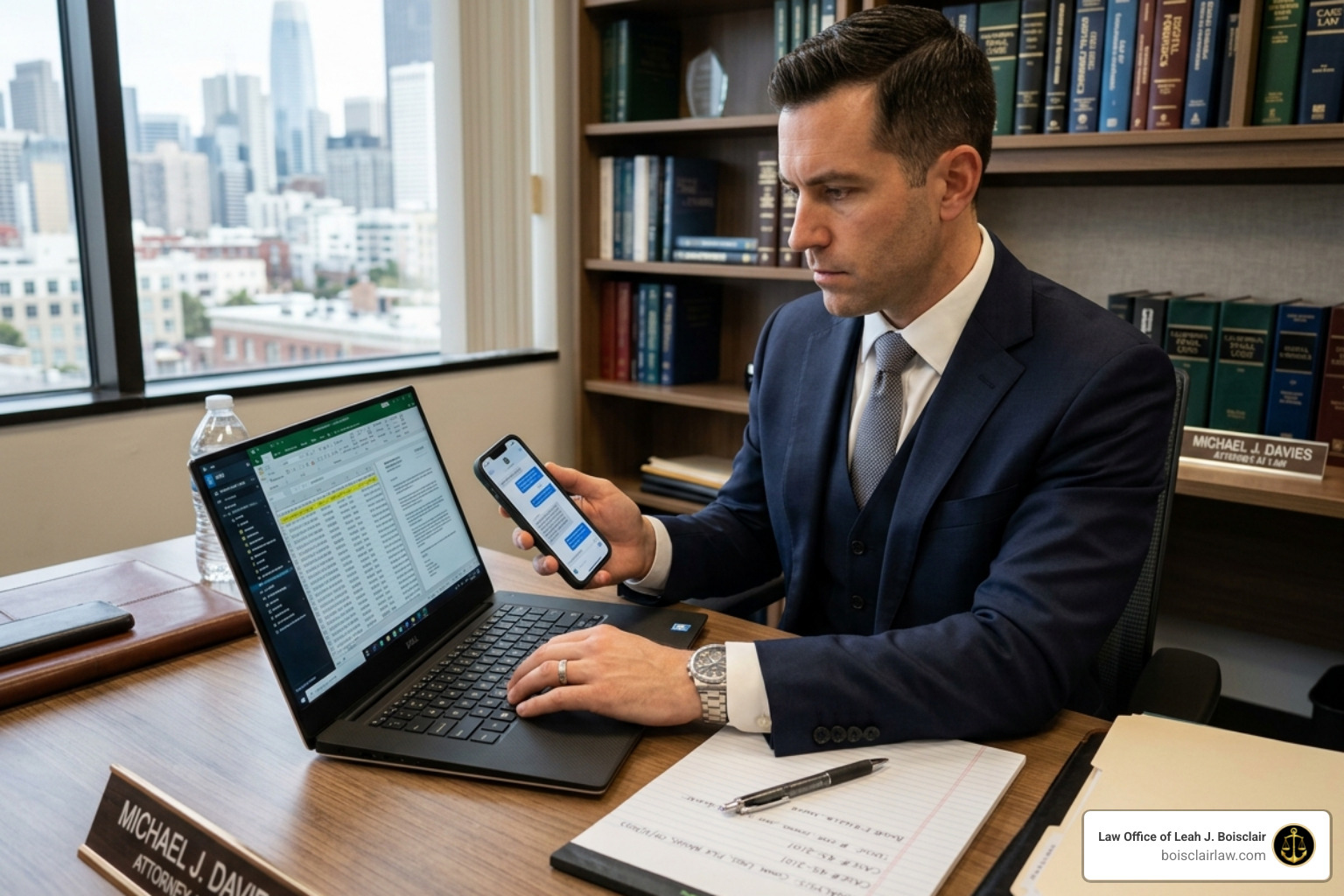
Building a defense isn’t just about what happened; it’s about what the prosecution can prove. Just because you were arrested doesn’t mean you will be convicted. We look at every angle to find the “weak links” in the state’s case.
Common defense strategies we employ include:
- Self-Defense: In many “heated arguments,” both parties use force. If you were defending yourself from an attack, you have a right to use reasonable force to protect yourself.
- Lack of Intent: Sometimes accidents happen. If a door was slammed and someone’s finger was caught, that isn’t necessarily a criminal assault.
- Defense of Property: You have a right to prevent someone from destroying your belongings.
- Constitutional Violations: If the police entered your home without a warrant or failed to read you your rights, we may be able to get evidence thrown out.
Our approach often benefits from “former prosecutor insight”—understanding exactly how the state builds its file allows us to anticipate their moves and strike first.
Investigation and Negotiation Tactics
We don’t just wait for the court date. We conduct our own investigation. This includes:
- Police Reports: We scrutinize every word for contradictions.
- Digital Evidence: GPS data, doorbell cameras, and “deleted” text messages often tell the real story.
- Negotiation: Sometimes, the best outcome isn’t a trial but a negotiated dismissal or a “filing” (a unique RI procedure where the case is put on hold and eventually dismissed if you stay out of trouble).
You can see examples of how these strategies work in practice by reviewing our Case Results.
Long-Term Impacts on Custody, Employment, and Firearm Offenses
The “hidden” costs of a domestic conviction are often worse than the court-ordered fines. In April 2026, background checks are more thorough than ever. A domestic “tag” on your record is a massive red flag for employers, especially in healthcare, education, or government sectors.
Furthermore, Firearm Offenses are a major concern. Under both Rhode Island and federal law, even a misdemeanor domestic violence conviction can trigger a lifetime ban on owning or possessing a gun. This can end careers for military members, police officers, or security professionals.
When it comes to your family, a conviction can be used against you in Family Court to limit your visitation or prevent you from having joint legal custody. Understanding the difference between Felonies and Misdemeanors is the first step in realizing just how much is at stake.
Expungement and Record Sealing Options
If you have a past mistake hanging over your head, you might be eligible for relief. Rhode Island allows for the expungement of certain records, but the rules are strict. Generally, if you were convicted of a domestic violence offense, you must wait a specific period (often five to ten years) after completing your sentence before you can apply to have it removed.
However, if your case was dismissed, “nolle prosequi” (dropped by the state), or you received a “filing” that has expired, you may be able to clear your record much sooner. Clearing your name is vital for passing background checks and moving on with your life.
Choosing the Right Domestic Assault Attorney for Your Case
When you are looking for a domestic assault attorney, you aren’t just looking for a legal researcher. You need a fighter who is also a counselor. These cases are deeply personal and emotionally exhausting.
What to look for:
- Local Expertise: You want someone who knows the judges and prosecutors in the Kent County or Providence County courthouses.
- Trial Experience: If the state won’t play fair, you need an attorney who isn’t afraid to take the case to a jury.
- Compassion: You deserve to be treated like a human being, not just a case number.
- Communication: Your lawyer should return your calls and keep you updated on every development.
For a deeper dive into what makes a great advocate, check out The Ultimate Guide to RI Criminal Attorneys.
Frequently Asked Questions about Domestic Violence Defense
Can a victim drop domestic violence offenses?
This is the most common myth we hear. The answer is no. In Rhode Island, once the police make an arrest, the case belongs to the State (the Department of the Attorney General or the City Solicitor). The “victim” is considered a witness for the state. While a witness who refuses to cooperate can make the state’s case harder, the prosecutor can still subpoena them to testify or use other evidence (like 911 calls or body cam footage) to move forward anyway.
What are the penalties for a first-time domestic offense?
For a first-time misdemeanor domestic simple assault, you face:
- Up to one year at the ACI (Adult Correctional Institutions).
- A fine of up to $1,000.
- Mandatory enrollment in a 26-week batterer’s intervention program.
- A $125 assessment fee that goes to a domestic violence fund.
- A No-Contact Order.
How do DUI and Traffic Offenses impact a domestic case?
If you are currently on probation for a DUI or other traffic offenses, a new domestic arrest is a “probation violation.” This means you could be held without bail for up to 10 days (or longer) while the court decides if you violated the terms of your previous sentence. Additionally, having multiple criminal entries on your record makes it much harder for your domestic assault attorney to negotiate a lenient deal.
Conclusion
Facing domestic offenses in Rhode Island can feel like the world is closing in on you. But remember, an accusation is not a conviction. At the Law Office of Leah J. Boisclair, we provide personalized, compassionate, and aggressive defense for those in Cranston and throughout the state. We believe in your right to a fair trial and a second chance.
If you or a loved one has been arrested, don’t wait for the situation to get worse. Contact a Domestic Assault Attorney today at our Cranston office to start building your defense. We are here to fight for you.