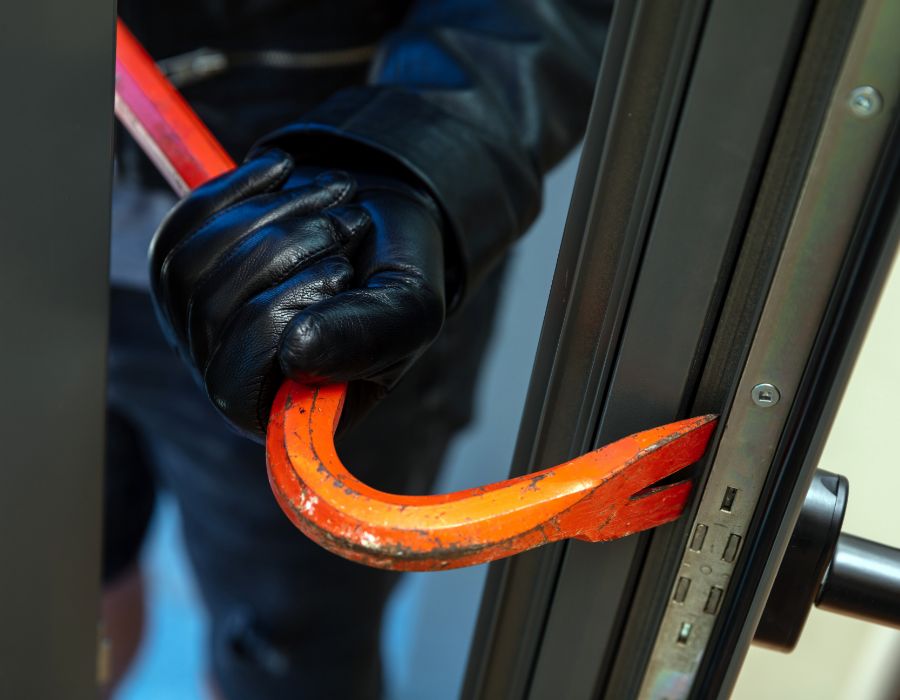

An Active Bench Warrant Can Turn Your Life Upside Down — Here’s What to Do
If you need a bench warrant attorney right now, here is the short answer:
Steps to take when you have an active bench warrant:
- Do not ignore it. Bench warrants never expire and can lead to arrest at any time — including during a routine traffic stop.
- Do not turn yourself in alone. Going to the court or police without a lawyer puts you at serious risk of being detained.
- Contact a criminal defense attorney immediately. An attorney can file a motion to recall or quash the warrant, often before you are ever arrested.
- Let your attorney coordinate your surrender if one is needed. This dramatically improves your chances of walking out of court the same day.
Imagine getting pulled over for a broken taillight — and ending up in handcuffs because of a court date you missed months ago. It happens more often than most people realize. Nationally, roughly 10.5 million bench warrants are active at any given time, and about 25% of people with active warrants are arrested during routine traffic stops.
A bench warrant is a court order signed by a judge. It is not always issued because you did something criminal. It can come from something as simple as missing a court date, failing to pay a fine, or not completing community service. But once it is issued, it follows you everywhere.
The good news? You have options. An experienced bench warrant attorney can often get a warrant recalled or quashed — sometimes without you spending a single night in jail.
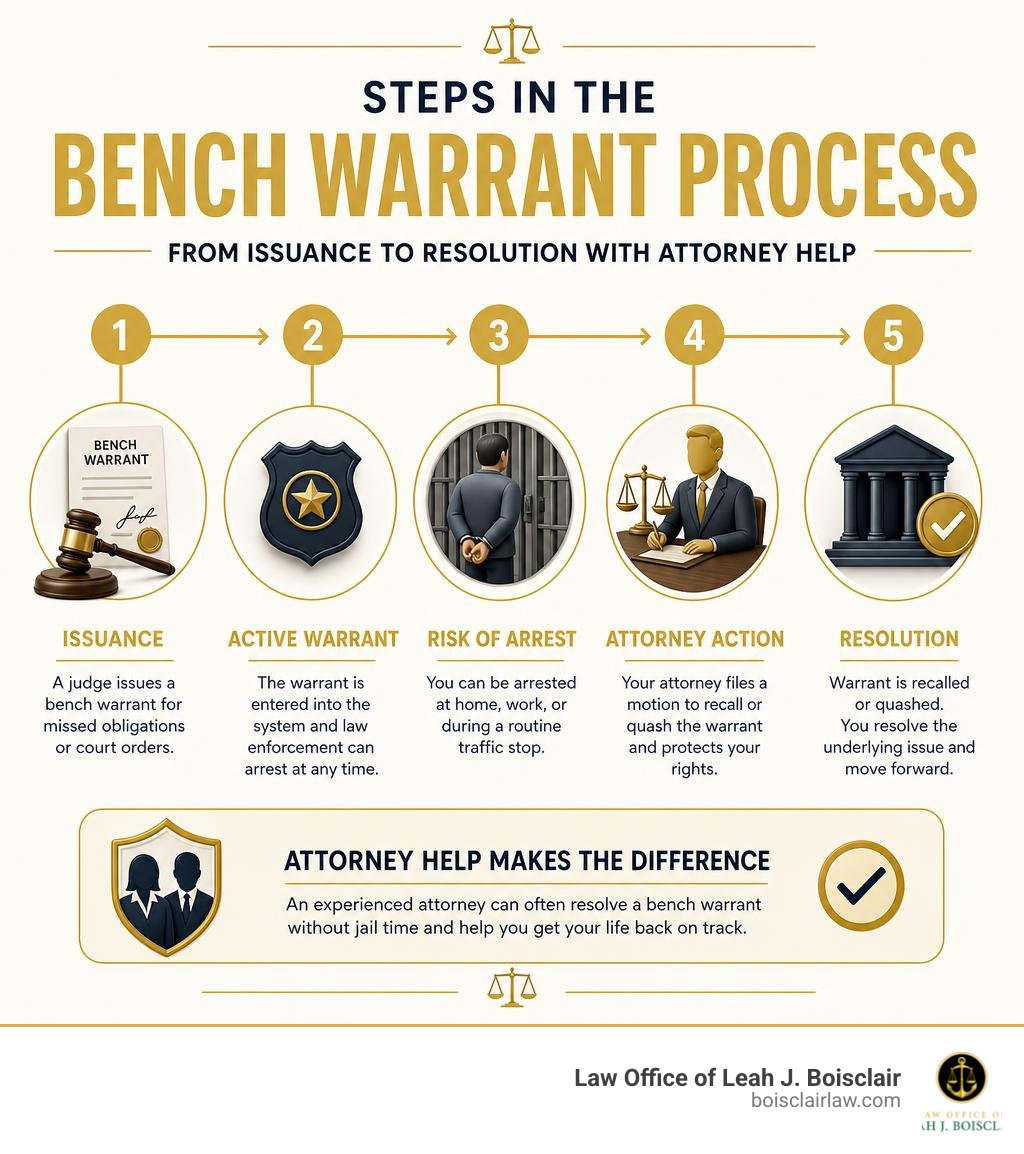
Quick look at Bench warrant attorney:
What is a Bench Warrant and How Does It Differ From an Arrest Warrant?
To understand how to resolve your situation, you must first understand what kind of warrant you are dealing with. While both documents authorize law enforcement to take you into custody, they originate from different places and serve different legal purposes.
An arrest warrant is initiated by law enforcement. Police officers present evidence to a judge to establish probable cause that you committed a specific crime. If the judge agrees, they sign the warrant, and officers actively set out to find and arrest you.
A bench warrant, on the other hand, is issued directly by a judge “from the bench.” This usually occurs because you violated a direct court order or failed to show up for a scheduled hearing. Instead of being charged with a new crime, you are essentially in contempt of court.
Here is a quick breakdown of how these two legal orders compare:
| Feature | Arrest Warrant | Bench Warrant |
|---|---|---|
| Who Originates It? | Police officers / Investigators | The Judge directly from the bench |
| Primary Reason | Probable cause that a crime was committed | Contempt of court / Failure to appear (FTA) |
| Enforcement Style | Active search and pursuit by police | Database entry; usually executed during routine stops |
| Expiration | None (remains active until executed or recalled) | None (remains active until recalled or quashed) |
Once a judge signs a bench warrant, it is uploaded into law enforcement databases. In states like Michigan, warrants are entered into the Law Enforcement Information Network (LEIN). In Pennsylvania, they go into the JNET database. Nationally, they are logged in the National Crime Information Center (NCIC).
In Rhode Island, local police departments and state troopers have instant access to these databases. If you are stopped anywhere in the state—whether by West Warwick Attorneys – Rhode Island – Lawyers or local officers in Cranston—the active warrant will appear on their patrol car screen immediately.
Why Judges Issue Bench Warrants
Judges expect their orders to be followed, and their schedules respected. When someone fails to comply, a bench warrant is the primary tool used to bring them back into line. The most common reasons a judge will issue a bench warrant include:
- Missed Court Appearances: Failing to show up for a scheduled arraignment, pre-trial conference, or trial.
- Unpaid Fines or Restitution: Neglecting to pay court-ordered fees, traffic tickets, or victim restitution.
- Probation Violations: Failing to meet with a probation officer, failing a drug screen, or violating travel restrictions.
- Failure to Pay Child Support: Disobeying family court orders regarding child support payments.
- Failure to Comply with Subpoenas: Ignoring a legal order to appear in court as a witness or to produce documents.
Immediate Consequences and Risks of an Active Bench Warrant
Living with an active bench warrant is like walking around with a ticking financial and legal time bomb. You might feel safe because the police are not actively kicking down your door, but the risk of an unexpected arrest is always present.

If you are arrested on a bench warrant, the immediate consequences can be severe:
- Unexpected Detention: You can be arrested at your workplace, in front of your family, or during a minor traffic stop.
- Bail Forfeiture: Any cash bail or bond you previously posted may be permanently forfeited to the court.
- Jail Time: You will be held in custody until you can be brought before the judge who issued the warrant. If you are arrested on a Friday night, you may have to wait in jail until court opens on Monday morning.
- Stricter Release Conditions: When you finally see the judge, they may set a much higher cash bail, require GPS monitoring, or deny bail entirely because you are now considered a flight risk.
- License Suspension: In many jurisdictions, courts will notify the DMV to suspend your driver’s license until the warrant is cleared.
If you find yourself in custody, knowing What to Do If You’ve Been Arrested in RI is critical to protecting your rights.
How to Check If You Have an Outstanding Warrant
If you suspect you missed a court date or an unpaid ticket has escalated, you need to find out for sure. However, checking on a warrant can be risky if done incorrectly.
- Court Clerk: You can call the clerk of the court where your case was handled. However, some clerks may notify campus or court police if you call inquiring about yourself.
- Sheriff or Police Databases: Many local sheriff departments host online warrant search databases.
- Online Public Records: State court portal databases allow you to search active cases by name.
- Through Legal Counsel: The safest way to check for an outstanding warrant is to have a bench warrant attorney do it for you. An attorney can look up your status without exposing you to the risk of immediate arrest, allowing you to build a plan to resolve it proactively.
How a Bench Warrant Attorney Can Help Recall or Quash a Warrant
Trying to clear a warrant on your own is incredibly risky. Walking into a courthouse clerk’s office to “explain” your situation often ends with a deputy sheriff escorting you to a holding cell.
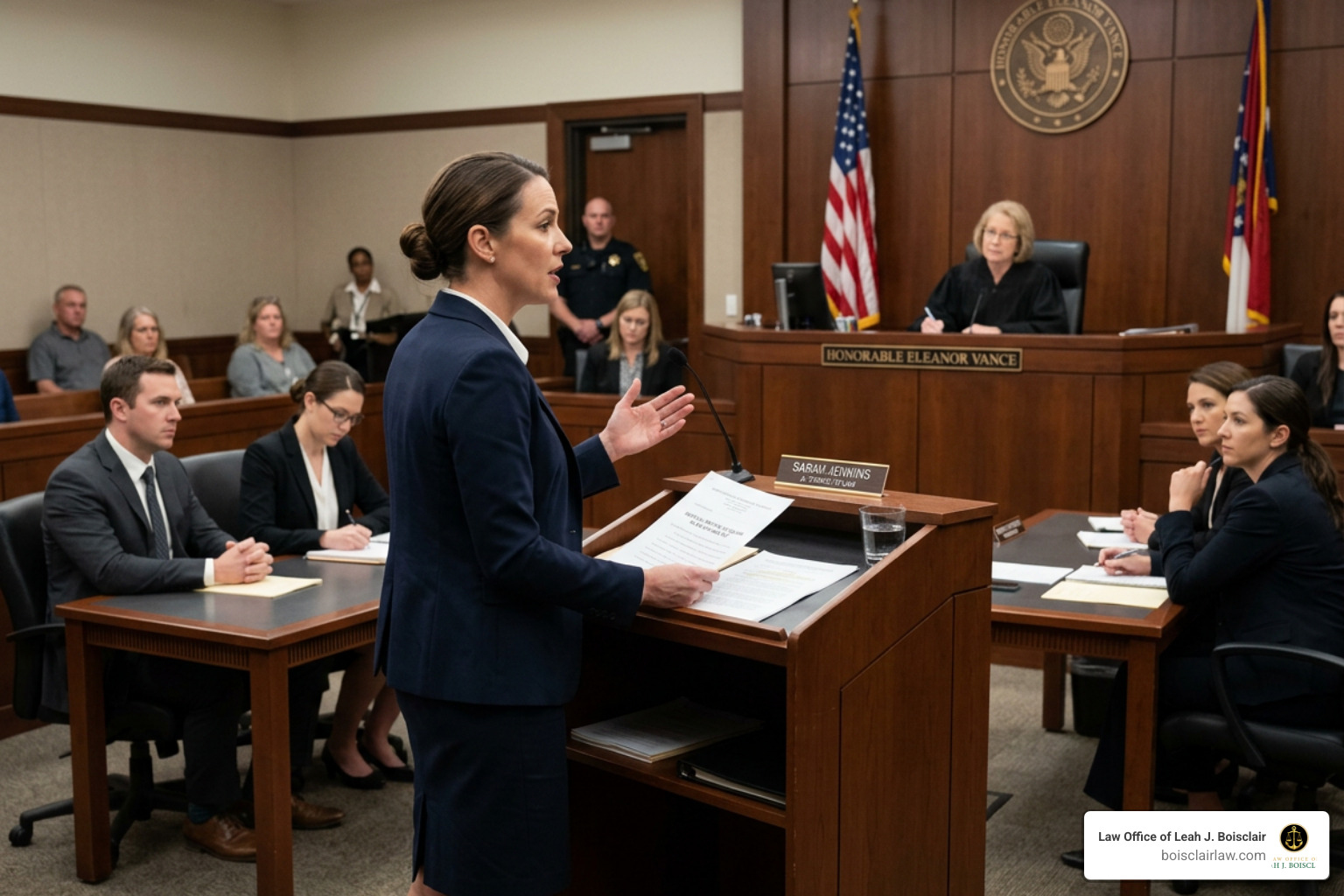
A skilled criminal defense lawyer can navigate this process safely and effectively. The primary goal is to have the warrant “recalled” or “quashed,” which means the judge officially cancels the order for your arrest.
To achieve this, your attorney will typically take the following actions:
- File a Motion to Quash or Recall: Your lawyer will draft and submit a formal legal motion explaining why you missed your court date or failed to comply with the court’s order.
- Present Mitigating Evidence: If you missed court due to a medical emergency, a lack of proper notice, or a family crisis, your attorney will present documentation (like hospital records or proof of a change of address) to show the judge that your absence was not a willful act of disrespect.
- Schedule a Voluntary Surrender: If the judge requires you to appear in person to clear the warrant, your attorney will coordinate a voluntary surrender. This means scheduling a specific date and time to walk into the courtroom together, showing the judge that you are taking the matter seriously.
- Argue for Your Release: During the hearing, your attorney will present arguments to ensure you walk out of the courtroom free, pushing for a personal recognizance bond or a manageable bail amount rather than jail detention.
By having professional representation, you show the court that you respect the legal process. In fact, studies show that defendants represented by counsel in bench warrant hearings are 40-60% more likely to have their warrants recalled or receive reduced bail compared to those who represent themselves.
To understand why professional representation makes such a massive difference, read more about Why Hire a Rhode Island Criminal Defense Attorney.
Why You Should Hire a Bench Warrant Attorney Before Turning Yourself In
Some people believe that turning themselves in at a police station is the fastest way to resolve a warrant. In reality, doing this without a lawyer is a major gamble.
When you turn yourself in alone, you are entirely at the mercy of the system’s schedule. You will be booked, placed in a cell, and forced to wait until a judge has an opening on their docket. You will also have to speak to law enforcement officers who may try to question you about the underlying offenses.
When you hire an attorney first, your lawyer acts as your shield. They can negotiate your bond before you ever step foot in the courthouse. They will stand beside you during the hearing to speak on your behalf, ensuring you do not accidentally say something that incriminates you.
For a complete breakdown of how to navigate the court system with professional help, consult The Ultimate Guide to RI Criminal Attorneys.
What to Look For in a Bench Warrant Attorney
Not all lawyers are equipped to handle bench warrants efficiently. When choosing legal representation, look for the following qualities:
- Local Court Experience: You want an attorney who regularly practices in the specific court that issued your warrant. Local knowledge of how specific judges handle failure-to-appear cases is invaluable.
- Dedicated Criminal Defense Focus: Avoid general practice lawyers. You need someone who understands criminal procedure inside and out.
- Strong Professional Relationships: An attorney who is respected by local prosecutors and court clerks can often resolve administrative issues much faster.
- Positive Client Reviews: Look for testimonials from previous clients who successfully had their warrants cleared without jail time. You can find highly rated advocates through resources like Best Lawyers in East Providence, RI – Justia.
Frequently Asked Questions About Bench Warrants
Do bench warrants expire in Michigan or Maryland?
No. Bench warrants do not expire in Michigan, Maryland, Rhode Island, or any other U.S. state. Whether the underlying charge is a minor misdemeanor or a serious felony, the warrant remains active indefinitely. It will stay in local databases like LEIN, JNET, and the national NCIC database until a judge signs an order to recall or quash it. Hoping that a warrant will “go away” over time is a losing strategy; some people are arrested on warrants that are over a decade old.
Can a bench warrant attorney help resolve out-of-state warrants?
Yes. If you have an active warrant in one state but currently live in another, a local defense attorney can coordinate with counsel in the issuing jurisdiction to resolve the matter. Depending on the severity of the underlying offenses, your attorney may even be able to resolve the warrant and the underlying charges without requiring you to travel back to face the court in person.
What happens if I missed court due to a medical emergency?
If a legitimate emergency—such as a sudden hospitalization, severe car accident, or a documented family crisis—prevented you from attending your hearing, courts are generally understanding. However, you must provide clear, verifiable proof. Your bench warrant attorney can present your medical records or emergency documentation to the judge as mitigating evidence, which is often highly effective in getting the warrant recalled immediately without penalties.
Resolving Your Warrant and Protecting Your Freedom
Ignoring a bench warrant will not make it disappear. Every day you leave it unresolved, you risk an unexpected arrest, financial loss, and time behind bars. Taking a proactive approach is the single best way to protect your freedom, your family, and your livelihood.
At the Law Office of Leah J. Boisclair, we provide personalized, compassionate criminal defense advocacy with a history of proven dismissals. Located in Cranston, RI, we proudly represent clients facing legal challenges in Providence, Warwick, Johnston, North Providence, East Providence, West Warwick, Pawtucket, East Greenwich, Coventry, and Scituate.
Whether you are dealing with outstanding warrants related to public order offenses, DUI and Traffic Offenses, Firearm Offenses, domestic disputes, or drug charges, we are here to help you navigate the system and clear your name safely.
Do not wait for the police to find you. Contact an experienced RI Criminal Attorney today to schedule a confidential consultation. Let us help you file a motion to quash your warrant so you can move forward with your life.
Explore your options for relief and recovery: