
When Every Minute Counts: What a 24 Hour DUI Lawyer Does for You
A 24 hour DUI lawyer is one of the most important calls you can make after an arrest — and the timing of that call matters more than most people realize.
If you need a quick answer, here’s what you should know right now:
What a 24/7 DUI lawyer does for you immediately:
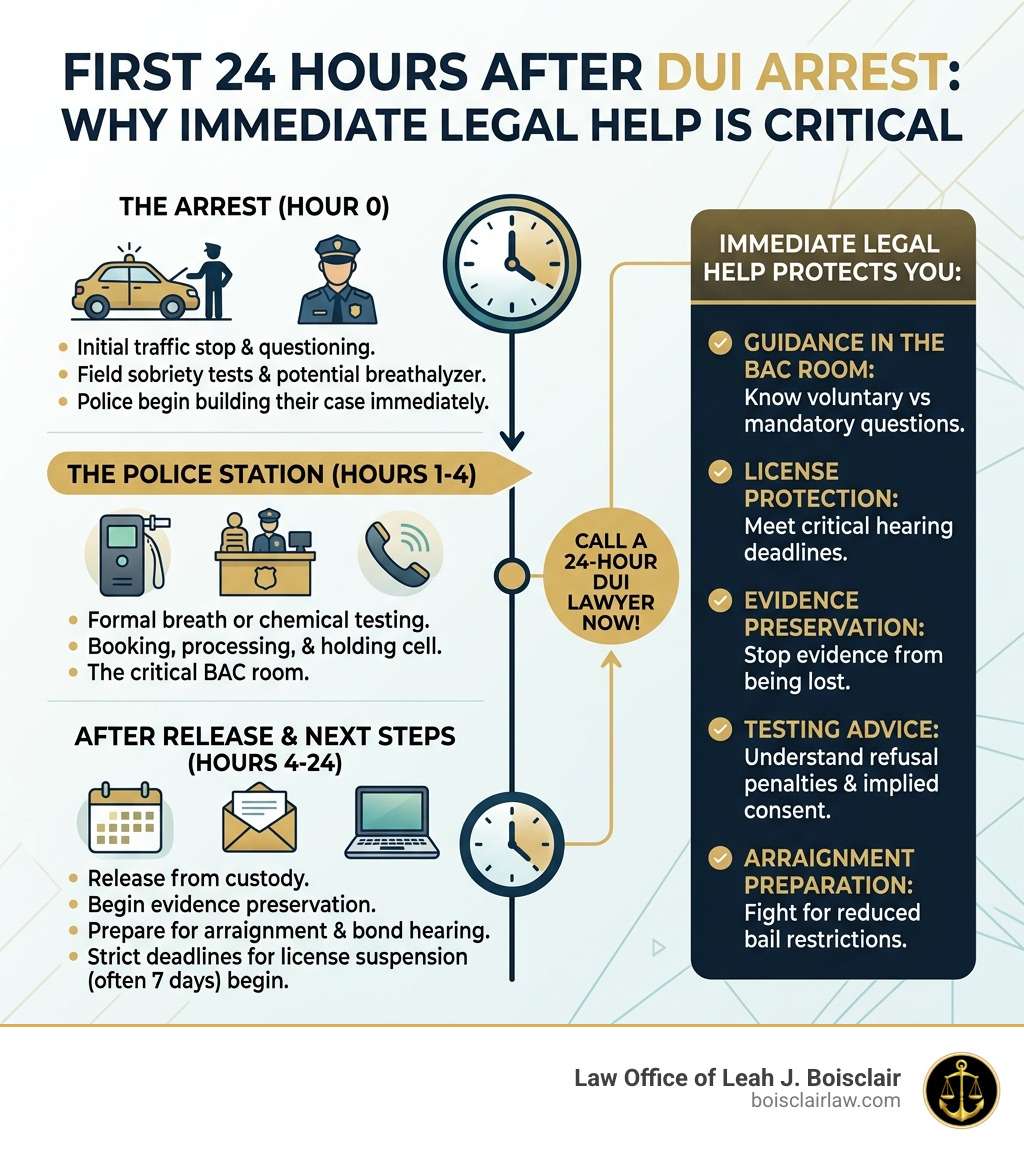
- Guides you in the BAC room — telling you which questions are voluntary and what to say (or not say)
- Protects your license — critical deadlines to request a hearing can be as short as 7 days after arrest
- Prevents evidence from being lost — waiting costs you defense options
- Advises on breathalyzer and chemical testing — refusal carries its own penalties under implied consent laws
- Prepares you for arraignment — helping reduce bail restrictions before your first court date
DUI and Traffic Offenses move fast. Police begin building their case the moment they turn on their lights. Prosecutors rely on defendants who are confused, scared, and slow to act.
One attorney from a Washington state firm captured it well when describing late-night calls: callers are often surprised a real lawyer actually answered. That surprise is exactly the problem — too many people assume legal help can wait until morning. It cannot.
Whether you are in Cranston, Providence, or anywhere in Rhode Island, Massachusetts, or Connecticut, the hours right after a DUI arrest are the most consequential of your entire case.
The Critical Role of a 24 Hour DUI Lawyer
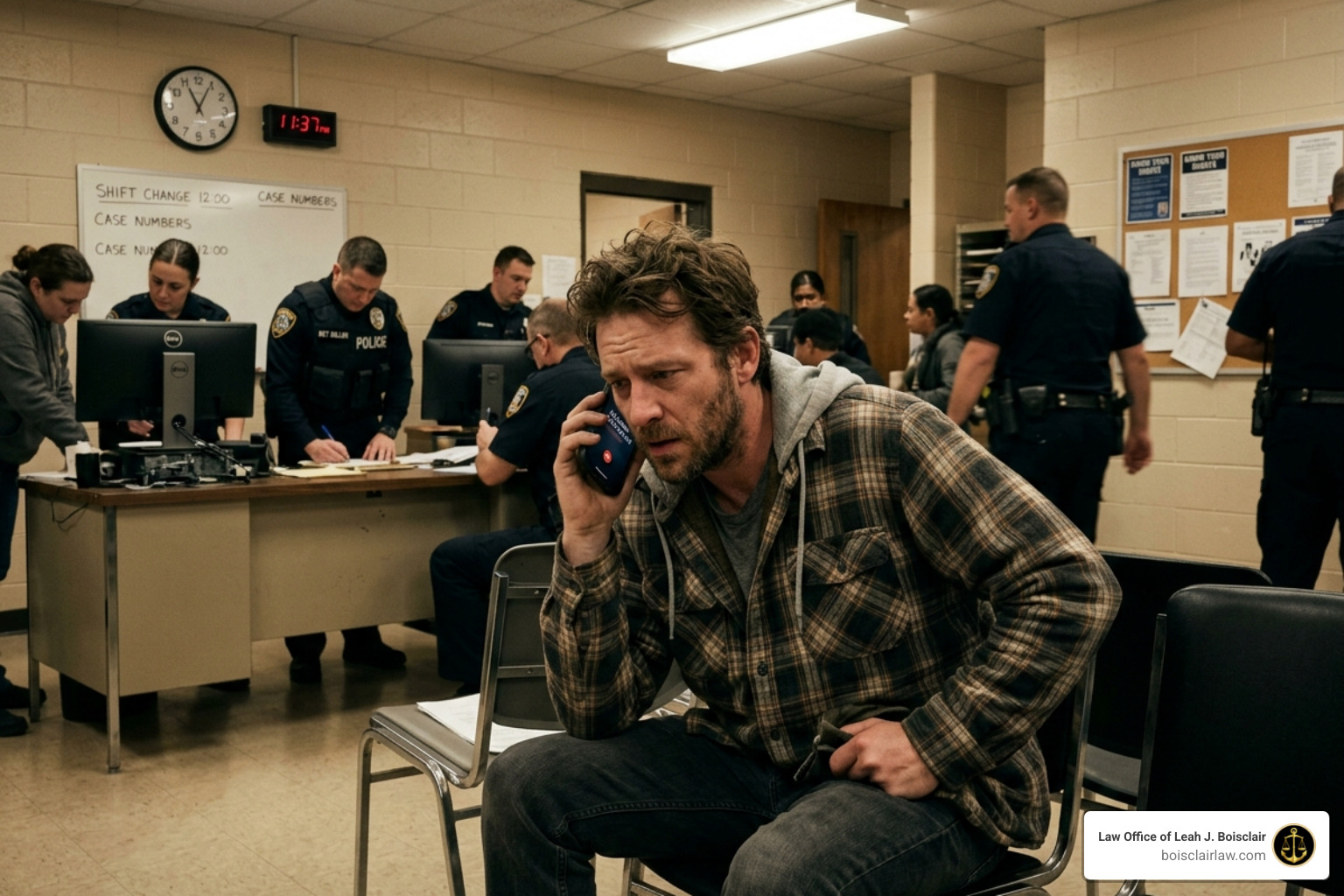
When the sun goes down and the blue lights go on, you aren’t just facing a traffic ticket; you are facing a criminal system that never sleeps. A 24 hour DUI lawyer provides more than just a phone call; they provide a shield against a process designed to collect evidence against you.
Emergency access means having a professional in your corner while the events are still fresh. In the legal world of May 2026, police procedures are more technical than ever. Having direct cell phone access to an attorney allows for an immediate consultation that can happen in the privacy of your home or even from the precinct. This immediate intervention is the cornerstone of our practice at the Law Office of Leah J. Boisclair.
Why You Need a 24 Hour DUI Lawyer in the BAC Room
The “BAC room” is where the police process your breath, blood, or urine samples. It is also where many people accidentally hand the prosecution their entire case. Officers often ask a series of “voluntary” questions found in the standard DUI packet. These might seem harmless — “Where were you coming from?” or “What time is it?” — but they are specifically designed to observe your speech patterns and coordination.
A 24 hour DUI lawyer will tell you clearly: you should decline to answer these voluntary questions. We help you navigate the high-pressure environment where police use their discretion to decide whether to book you into jail or release you to a sober adult. Furthermore, we provide real-time advice on breathalyzer submission. While implied consent laws in Rhode Island and surrounding states mean you’ve technically already agreed to testing by driving on public roads, the decision to refuse carries heavy administrative penalties. You need to know the specific trade-offs before you blow.
Choosing the Best 24 Hour DUI Lawyer for Your Case
Not all attorneys who answer the phone at 3 AM are created equal. When choosing a 24 hour DUI lawyer, look for those with high experience ratings and genuine client testimonials. You want someone who understands the local nuances of the Cranston and Providence court systems.
Transparency is also key. We believe in flat-rate fees so that you aren’t surprised by hidden costs during an already stressful time. Personalized advocacy means your case isn’t just a file number; it’s your life, your career, and your future.
Immediate Legal Consequences and the “Golden Hour”
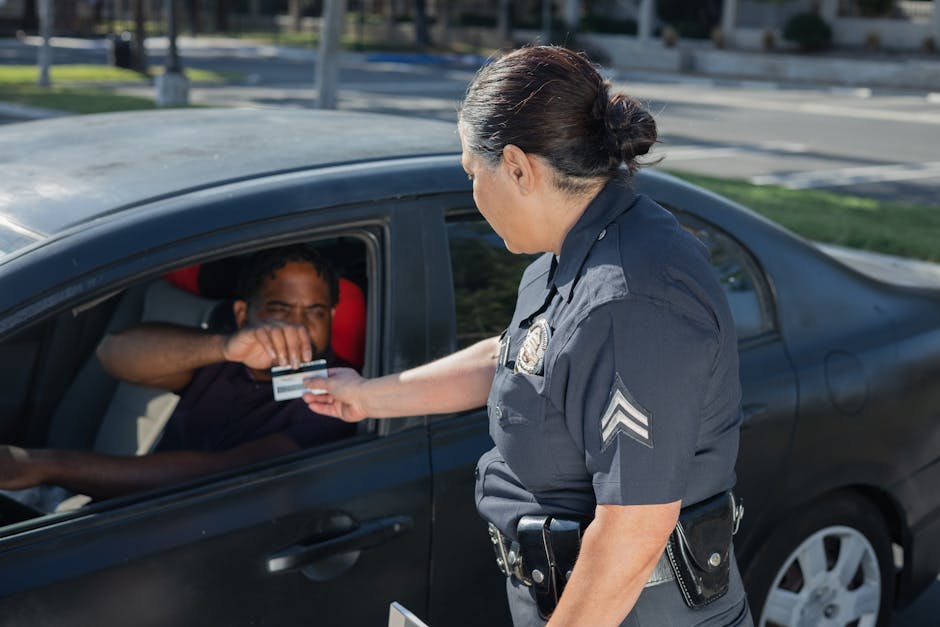
In the legal world, the “Golden Hour” refers to the short window after an arrest where your actions have the greatest impact on the outcome of your case. The immediate consequences of a DUI are jarring: your license may be confiscated on the spot, and you will soon face an arraignment.
The arraignment is your first formal court appearance where offenses are read and bail is set. Without a lawyer, you might face restrictive bail conditions or high cash requirements. Understanding the complexities of DUI and Traffic Offenses is the first step toward reclaiming your freedom.
Understanding DUI and Traffic Offenses Penalties in 2026
As of May 2026, the penalties for DUI and Traffic Offenses have become increasingly tiered based on your Blood Alcohol Content (BAC).
- First-Time Offenders: Even without a prior record, you could face significant fines, mandatory community service, and a suspended license.
- Jail Time Tiers: Depending on the level of impairment (often categorized as General, High, or Highest), mandatory minimum jail sentences can apply.
- Ignition Interlock Devices (IID): Many states now require these “blow-and-go” devices for all offenders, even for a first offense.
- Felony vs. Misdemeanor: While most first-time DUIs are misdemeanors, certain factors — like having a minor in the car, causing an accident with injuries, or having multiple prior offenses — can elevate the offense to a felony.
Immediate Steps After a DUI Arrest
If you find yourself in handcuffs, follow these steps to protect your defense:
- Exercise your right to remain silent: Aside from providing your name and registration, you do not have to talk.
- Request counsel immediately: Ask for a 24 hour DUI lawyer before answering any questions.
- Document everything: As soon as you are able, write down the arrest date, the incident number, and the name of the arresting agency.
- Stay off social media: Do not post about your “crazy night.” Prosecutors can and will use your posts against you.
Strategic Defenses Used by a 24/7 DUI Attorney
An arrest does not equal a conviction. A skilled 24 hour DUI lawyer looks for the cracks in the prosecution’s case from the very beginning. We scrutinize every detail, starting with the initial traffic stop. If you or a loved one needs help, contact a specialist today.
Challenging DUI and Traffic Offenses Evidence
The “science” of a DUI is often less solid than the police want you to believe. We challenge evidence on several fronts:
- Reasonable Suspicion: Did the officer have a valid reason to pull you over, or was it a “pretextual” stop?
- Probable Cause: Did the officer have enough evidence to actually arrest you?
- Field Sobriety Tests (FSTs): These tests are highly subjective and can be failed by perfectly sober people due to nerves, physical conditions, or even the type of shoes they are wearing.
- Breathalyzer Calibration: These machines require strict maintenance. If the logs show they weren’t calibrated correctly, the results may be suppressed.
- Medical Conditions: Acid reflux (GERD), diabetes, or even certain diets can cause “mouth alcohol” that creates a falsely high reading.
Handling Refusals and Drug-Related DUI Offenses
DUI offenses aren’t limited to alcohol. In 2026, we see a rise in DUI offenses involving marijuana or prescription medications. Proving impairment for drugs is often more difficult for the prosecution than proving alcohol impairment, as there is no “per se” limit for many substances that correlates directly to impairment.
We also handle cases where a refusal to test occurred. While a refusal leads to an automatic license suspension, it also deprives the prosecution of their strongest piece of evidence: a BAC number. Furthermore, we understand how these cases intersect with other legal issues, such as Firearm Offenses or Public Order Offenses, ensuring your total legal picture is protected.
Navigating License Suspensions and Administrative Hearings
One of the most confusing parts of a DUI is that you are actually facing two separate battles: the criminal case in court and the administrative case with the DMV. Even if your criminal charges are eventually dismissed, the DMV can still suspend your license. This is why you need a license suspension lawyer to keep you on the road.
Protecting Your Right to Drive
In many jurisdictions, you have a very narrow window — often just 7 to 15 days — to request an administrative hearing. If you miss this deadline, your license is suspended automatically. At these hearings, we can:
- Cross-examine the arresting officer to find inconsistencies in their story.
- Argue for a hardship license or occupational permit that allows you to drive to work, school, or medical appointments.
- Challenge the “Administrative Per Se” suspension based on procedural errors.
The Difference Between Criminal Court and DMV Hearings
The burden of proof is much lower in a DMV hearing than in criminal court. In court, the state must prove you guilty “beyond a reasonable doubt.” At the DMV, they only need a “preponderance of evidence” (meaning it’s more likely than not). Because these are independent proceedings, you need an attorney who can balance the strategy for both, ensuring that what happens in one doesn’t negatively impact the other.
The Criminal Case Process and Long-Term Outcomes
| Program/Outcome | Eligibility | Typical Requirements | Final Result |
|---|---|---|---|
| ARD / IDIP | First-time offenders | Classes, community service, supervision | Dismissal & Expungement |
| Wet Reckless | Negotiated plea | Reduced fines, no mandatory jail | Lesser conviction on record |
| Standard Sentence | Repeat offenders/High BAC | Jail, IID, high fines | Permanent record of offenses |
Achieving Dismissals and Reduced Offenses
The goal of a 24 hour DUI lawyer is always the best possible resolution. This might involve pre-trial diversion programs like the Impaired Driver Intervention Program (IDIP). These programs are designed for rehabilitation rather than punishment. If you complete the requirements — which usually include alcohol education and a period of clean driving — your offenses may be dismissed entirely.
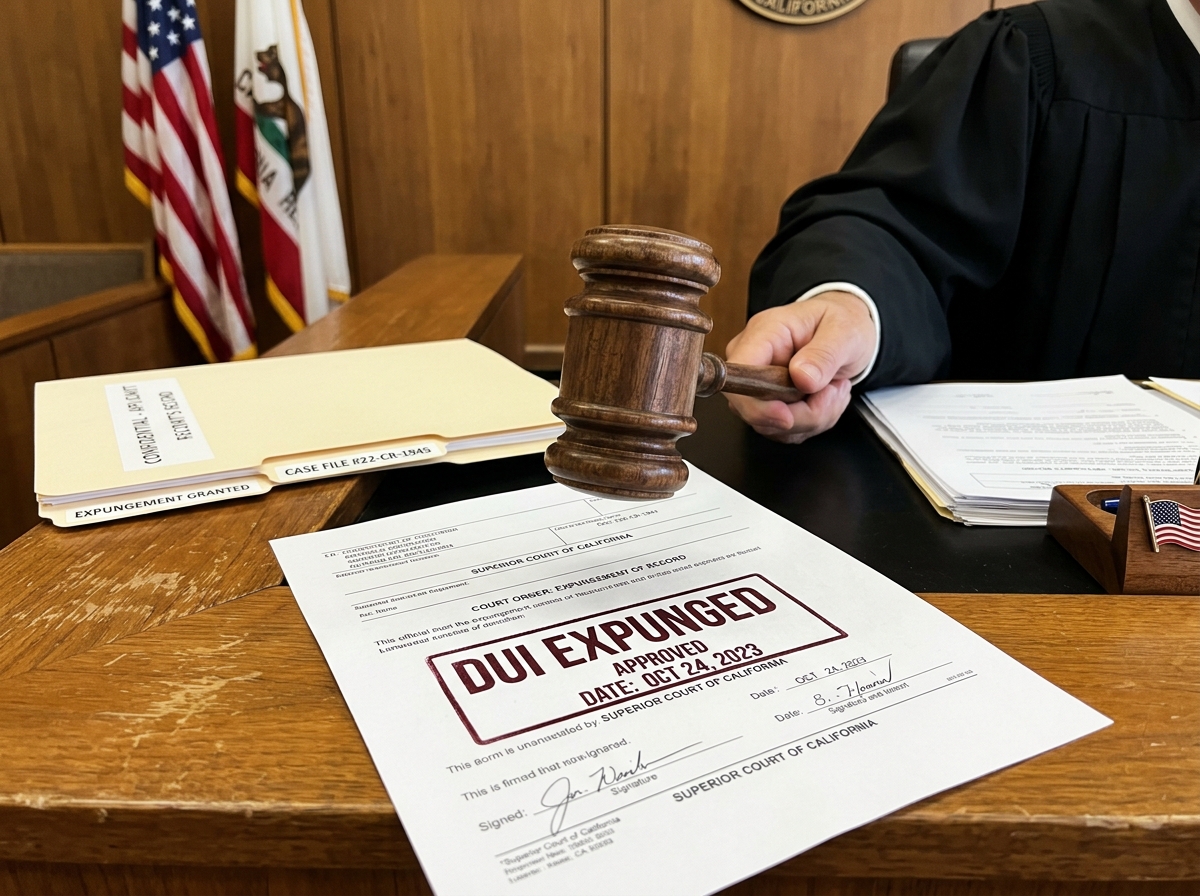
We also negotiate for “wet reckless” offenses, which carry fewer penalties than a full DUI. Understanding the different types of sentences — from probation to home confinement — allows us to advocate for the least restrictive outcome for your life. If you are looking to clear your name, you can expunge your DUI record under certain conditions.
Expungement and Future Protection
A DUI conviction can haunt you for years, affecting background checks, career opportunities, and even your ability to travel to countries like Canada. Finding the best expungement help in Providence and Cranston is vital for long-term protection. Expungement effectively “seals” the record, allowing you to move forward without the shadow of a past mistake.
Frequently Asked Questions about Emergency DUI Help
How much does a 24 hour DUI lawyer cost?
Most reputable firms offer a free initial consultation. Afterward, many DUI cases are handled on a flat-fee basis. This fee covers the attorney’s time for court appearances, DMV hearings, and document review. While it may seem like an investment, the long-term cost of a DUI conviction — including insurance hikes and lost employment — is far higher.
Can a DUI offense be dismissed if the breathalyzer was wrong?
Yes. If we can prove the machine was improperly maintained, the operator wasn’t certified, or your individual medical condition interfered with the reading, the evidence can be thrown out. Without that reading, the prosecution’s case often falls apart.
What is the difference between a felony and a misdemeanor DUI offense?
A misdemeanor is a less severe offense, typically punished by less than a year in jail. A felony is a serious offense that can result in prison time. DUIs become felonies if there are multiple priors, serious injuries involved, or if the act is classified as a “violent” offense due to extreme negligence.
What happens if I refuse a field sobriety test?
In most states, field sobriety tests (like walking in a straight line) are voluntary. Refusing them politely prevents the police from gathering video evidence of you “failing.” However, refusing the chemical test at the station (breath or blood) usually triggers an automatic license suspension.
What is the typical process of a criminal case after a DUI arrest?
The process generally follows this path: Arrest -> Arraignment (plea entered) -> Pre-trial conferences (negotiations) -> Discovery (evidence review) -> Motions (challenging evidence) -> Trial or Plea Agreement -> Sentencing.
Conclusion
At the Law Office of Leah J. Boisclair, we provide personalized, compassionate advocacy for those facing DUI and Traffic Offenses. We understand that one mistake shouldn’t define your entire life. From the moment you call us, we begin fighting for your rights in both state and federal courts. Whether you are in Cranston, RI, or the surrounding areas, our proven record of dismissals and our 24/7 availability ensure you never have to face the justice system alone.
Don’t wait for the “business hours” of the world to catch up to your emergency. Contact a specialist today and let us start building your defense.