When You’re Accused of Molestation: What You Need to Know Right Now
How to win a molestation case starts with understanding that the legal system is stacked against you the moment an accusation is made — and that the right defense strategy, applied early, can make all the difference.
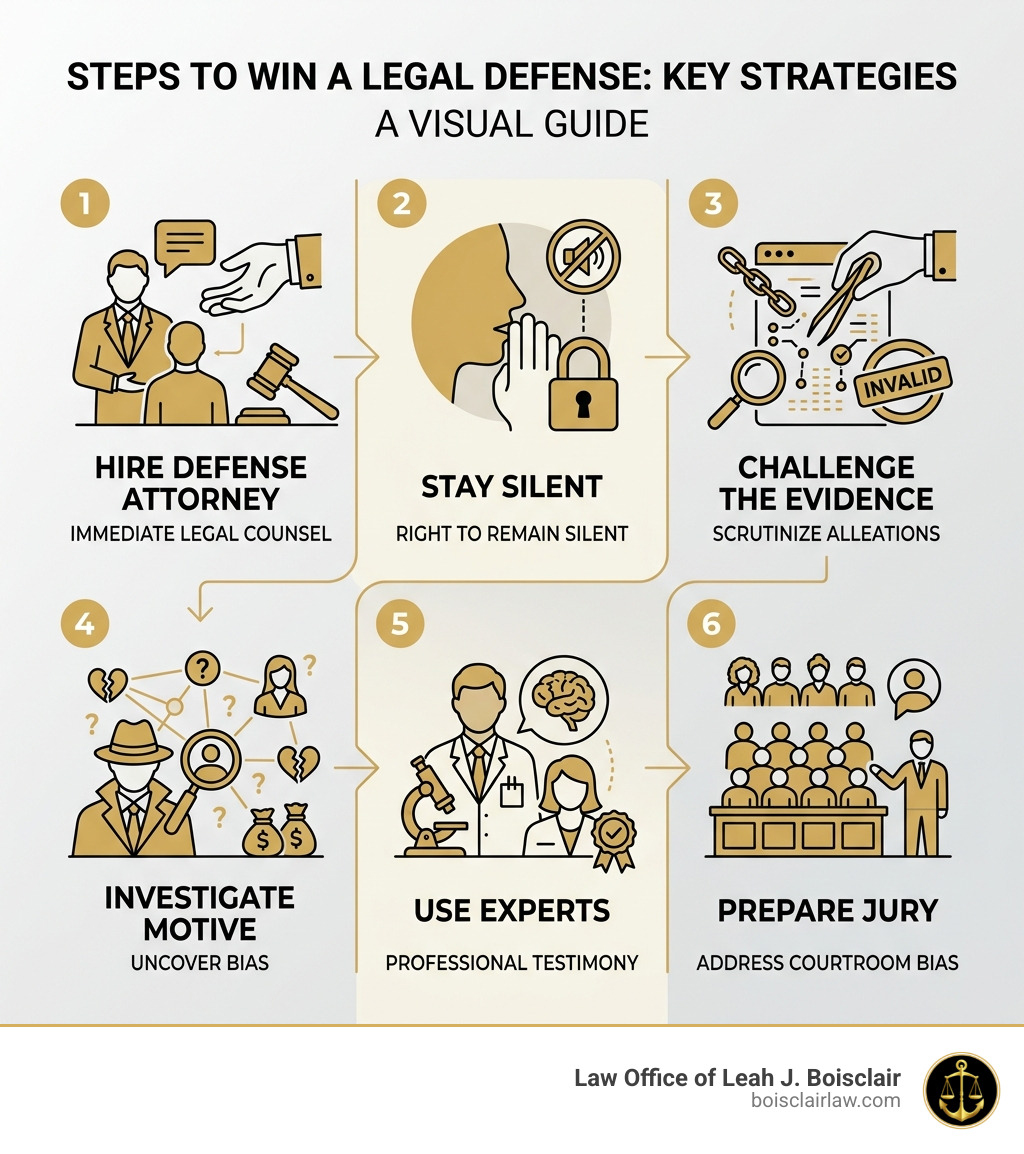
Here is a quick overview of the core steps:
- Hire a defense attorney immediately — before speaking to police or investigators
- Stay silent — do not give statements without legal counsel present
- Consider a private polygraph — results can influence prosecutors even if inadmissible in court
- Challenge the evidence — most molestation cases have no physical evidence at all
- Investigate the accuser’s motive — false allegations often stem from custody disputes or personal conflicts
- Use expert witnesses — forensic psychologists can challenge how evidence was gathered
- Prepare for jury selection — bias in the courtroom is real and must be addressed early
Being accused of child sexual abuse is described by many defense attorneys as “easiest to accuse — hardest to defend.” The stigma is immediate. The presumption of innocence, while guaranteed by law, rarely holds in the court of public opinion.
In April 2026, these cases remain among the most difficult criminal charges to face — but they are not unwinnable.
The strategies outlined in this article apply whether you are dealing with a criminal charge or a civil claim in Rhode Island, Massachusetts, or Connecticut.
Immediate Steps: How to Win a Molestation Case Before Trial
The most critical window for your defense is the time between the initial allegation and the formal filing of Sex Offenses. Many people believe that if they are innocent, they should simply sit down with the police and “clear things up.” This is a dangerous mistake.
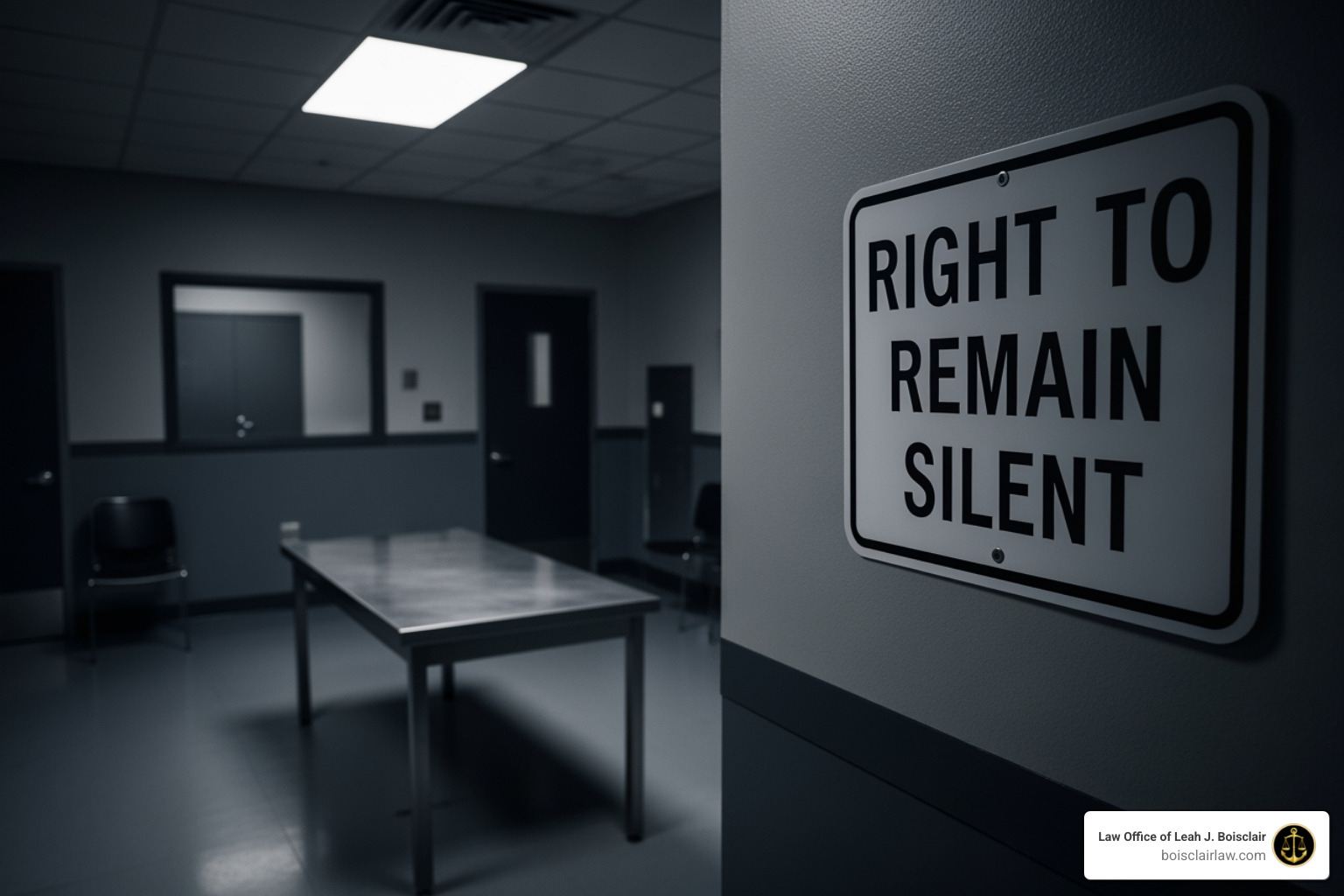
The Power of Silence
The majority of evidence used to convict individuals in sexual misconduct cases comes from early statements made to investigators. Even if you believe you are being helpful, police are trained to look for inconsistencies. A single misremembered detail from years ago can be framed as a lie, which prosecutors then use to destroy your credibility.
When we represent clients in Cranston and throughout Rhode Island, our first instruction is always: do not speak to anyone without us present. Invoking your right to remain silent isn’t an admission of guilt; it is a vital legal protection.
Early Intervention and Avoiding Charges
Our goal is often to win the case before it even reaches a courtroom. By hiring a Sex Crimes Defense Attorney early, we can launch a proactive investigation. This includes interviewing witnesses, securing digital forensics, and identifying flaws in the accuser’s story before the State decides to bring formal charges.
In many instances, if a skilled RI Criminal Attorney becomes involved during the investigative phase, it is possible to present exculpatory evidence to the prosecutor that prevents the case from being filed at all.
The Role of Private Polygraph Tests
While polygraph results are generally not admissible as evidence in a Rhode Island trial, they are a powerful tool in the “art of the defense.” We often recommend a private polygraph test conducted by a trusted expert.
If the results are favorable, we can share them with the prosecutor. This can create “prosecutorial doubt.” When a prosecutor sees a passed polygraph from a reputable private examiner, they may be much more hesitant to move forward with a case that relies solely on one person’s word. This strategy is often discussed in guides on How to Win a Sexual Molestation or Assault Case – California Criminal Law, as the psychological impact on the prosecution is universal across jurisdictions.
Dismantling the Prosecution’s Evidence and Motive
In most Sex Offenses, there is a complete lack of physical evidence. There are no DNA samples, no videos, and no medical records indicating trauma. This means the case rests entirely on the “credibility” of the accuser. To win, we must systematically dismantle that credibility.
Understanding the Burden of Proof
It is essential to understand the difference between criminal and civil proceedings. In a criminal case, the state must prove your guilt “beyond a reasonable doubt.” In a civil case, the standard is much lower.
| Feature | Criminal Case | Civil Case |
|---|---|---|
| Standard of Proof | Beyond a Reasonable Doubt (99%) | Preponderance of Evidence (>50%) |
| Who Files? | The Government (State) | The Accuser (Plaintiff) |
| Potential Outcome | Prison, Registration, Fines | Financial Damages |
| Physical Evidence | Often missing in sex cases | Often missing; testimony is key |
Identifying Motives for False Allegations
False allegations do not happen in a vacuum. There is almost always a reason. As we dig into the background of a case, we often find motives such as:
- Custody Disputes: An allegation is made to secure sole custody or to gain leverage in a divorce.
- Financial Gain: The accuser or their family may be seeking a large settlement in a civil suit.
- Parental Influence: Sometimes, “parental hysteria” or coaching leads a child to believe something happened that didn’t.
- Deflection: An older child might make an allegation to explain away their own behavioral issues or to get out of trouble with a strict parent.
By reviewing Case Results, you can see how identifying these motives has led to successful outcomes for the accused.
Challenging the Child’s Source of Knowledge
A common tactic used by the prosecution is to argue that a child “wouldn’t know these things” unless they were abused. However, in April 2026, children have unprecedented access to sexual information through the internet, social media, and peers. We work to prove that the child’s sexual knowledge came from external sources rather than personal experience.
Understanding Sexual Abuse Evidence in Civil Cases often highlights how forensic interviews are conducted. We meticulously review these interview tapes. If the interviewer asked leading questions, pressured the child, or suggested details, we can move to have that testimony suppressed or at least heavily questioned in front of a jury.
Advanced Legal Tactics: Experts and Jury Selection
Once a case moves toward trial, the strategy shifts toward the courtroom environment. This is where the technical expertise of your legal team becomes your greatest asset.
The Necessity of Expert Witnesses
We frequently utilize expert witnesses, such as forensic psychologists and medical professionals. These experts can explain to a jury why a child might make a false claim or how “suggestibility” works during interviews. They can also point out that the absence of physical evidence is a significant factor, even if the prosecution tries to downplay it.
Navigating Rape Shield and Evidence Rules
Evidence rules like Rule 412 (the “Rape Shield Law”) are designed to protect accusers, but there are critical exceptions that a knowledgeable attorney must exploit. If the accuser has a history of making false claims or if there is evidence of a specific motive to lie, we fight to ensure the jury hears that information.
Your Guide to Picking a Criminal Defense Attorney for Sex Crimes emphasizes that your lawyer must be an expert in these specific evidentiary hurdles.
The Art of Jury Selection (Voir Dire)
You cannot win a molestation case if the jury has already decided you are guilty because of the nature of the charge. During voir dire, we ask open-ended questions to flush out biases. We look for jurors who understand the concept of “false memory” and who are willing to hold the State to its high burden of proof despite the emotional nature of the allegations.
Terminology Matters
In the courtroom, “words are weapons.” We never refer to the person making the claim as the “victim.” We refer to them as the “accuser” or the “complaining witness.” We ensure you are referred to by your name, humanizing you to the jury and reminding them that you are a person with a life, a family, and rights — not just a “defendant.”
Frequently Asked Questions About How to Win a Molestation Case
How to win a molestation case when there is no physical evidence?
Winning without physical evidence requires a focus on credibility and corroboration. We look for inconsistencies in the accuser’s story over time. If the story changed between the initial report and the forensic interview, that is a point of attack. We also look for “negative evidence” — the absence of things that should be there if the story were true. For more on how testimony is handled, see Understanding Sexual Abuse Evidence in Civil Cases.
How to win a molestation case using a private polygraph?
While you cannot walk into a Rhode Island court and show the jury a polygraph, you can use it to influence the prosecutor. If we provide a passed polygraph from a highly respected examiner early in the process, it can lead to the prosecution reconsidering the strength of their case. It is a tool for negotiation and dismissal rather than a trial exhibit. This is a specialized tactic often used by a Sex Crimes Defense Attorney.
Why is the burden of proof different in civil proceedings?
In civil court, the goal is “liability” (money), not “guilt” (prison). Because your freedom isn’t at stake, the law only requires the plaintiff to prove it is “more likely than not” (51%) that the abuse occurred. This is why some people are acquitted in criminal court but lose a civil suit. A RI Criminal Attorney must be prepared to handle the discovery from civil cases, which can sometimes be used to help the criminal defense.
Conclusion
Facing an allegation of molestation is perhaps the most stressful event a person can endure. The social and legal consequences are permanent. However, by taking immediate action and employing a sophisticated defense strategy, it is possible to protect your future.
At the Law Office of Leah J. Boisclair, we provide personalized and compassionate advocacy for those facing the toughest battles of their lives. We understand the nuances of Rhode Island law and the specific challenges of Sex Offenses. Whether you are dealing with Firearm Offenses, DUI and Traffic Offenses, or complex Violent Offenses, our team in Cranston, RI, is dedicated to securing the best possible outcome.
We handle a wide range of matters, including:
- Sex Crimes Defense Attorney services
- Assault and Battery
- Domestic Offenses
- Drug Offenses
- White Collar Offenses
- Property Offenses
- Computer Offenses
- Public Peace Offenses
If you or a loved one is being investigated, do not wait for the police to knock on your door. Contact us today to begin building your defense. Your reputation, your freedom, and your life depend on the steps you take right now.