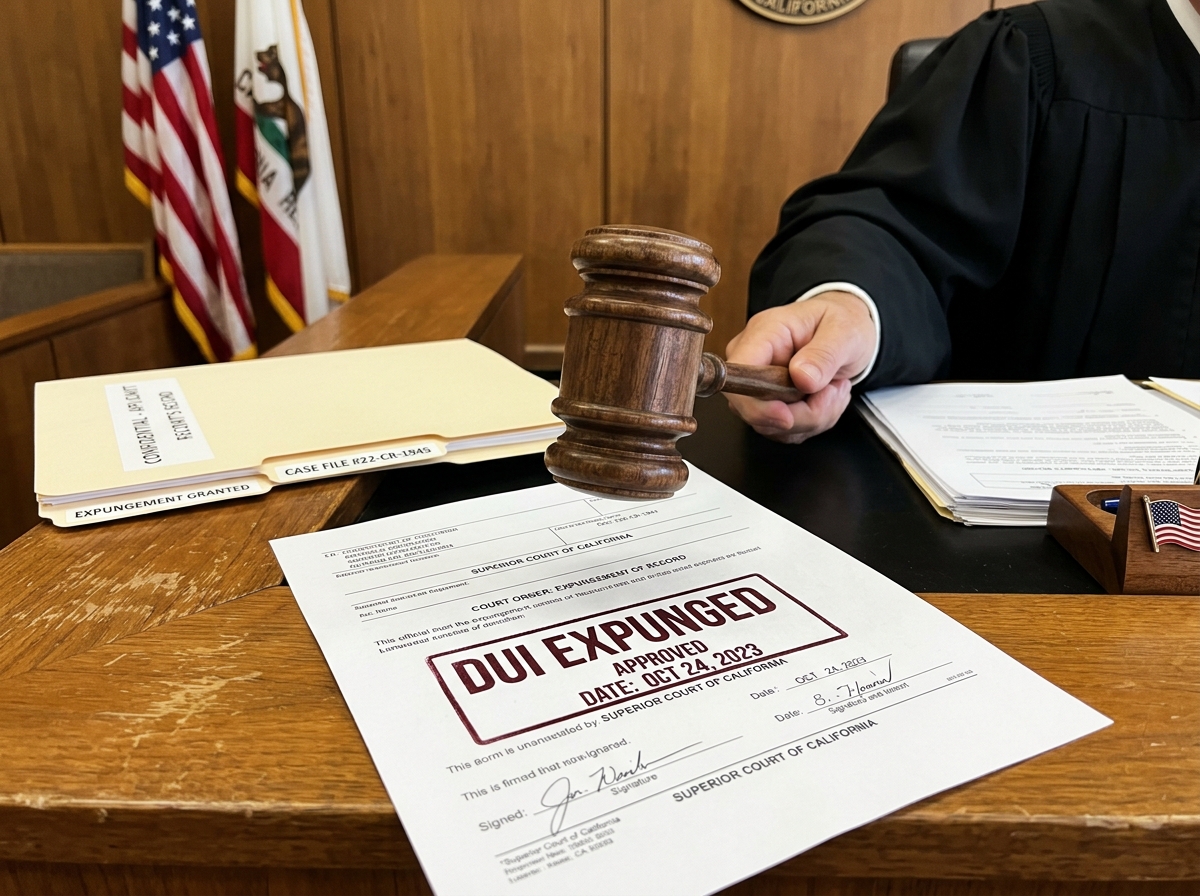

Facing a Misdemeanor Charge in Cranston? Here’s What You Need to Know
If you need a cranston misdemeanor defense attorney, here is a quick overview of what to expect and what to do right now:
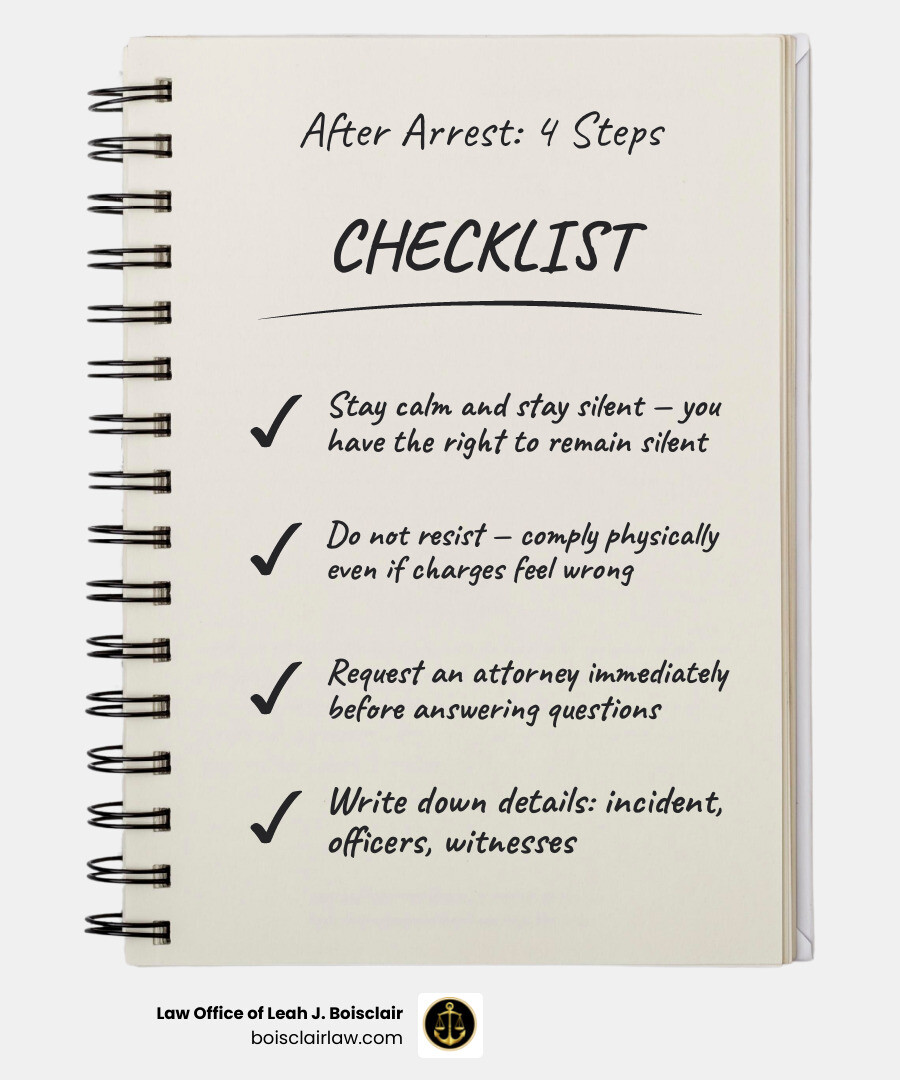
Quick Answer: Immediate Steps After a Misdemeanor Charge in Cranston
- Stay calm and stay silent — you have the right to remain silent. Use it.
- Do not resist arrest — comply physically, even if you believe the charges are wrong.
- Request an attorney immediately — before answering any questions.
- Write down everything you remember — details of the incident, officers involved, witnesses.
- Contact a local Cranston defense attorney — the sooner, the better.
Facing a misdemeanor charge in Cranston, Rhode Island is more serious than most people realize. Many assume a misdemeanor is a minor issue that will simply go away. It rarely does.
A conviction can mean jail time, fines, probation, and a permanent criminal record — one that follows you into job applications, housing searches, and beyond.
Rhode Island classifies misdemeanors into three levels — Class A, B, and C — each carrying its own penalties. Even a Class C offense can result in up to 30 days in jail and a $250 fine. A Class A misdemeanor, such as a first-offense DUI or simple assault, can carry up to one year in jail and a $1,000 fine.
The criminal process in Cranston moves quickly. From arrest to arraignment at the Kent County Courthouse, deadlines matter and early decisions shape outcomes. What you do in the first hours and days after a charge can make a significant difference in your case.
That is why working with an experienced local defense attorney — one who knows Cranston’s courts, prosecutors, and procedures — is so important.
Easy cranston misdemeanor defense attorney glossary:
Understanding Rhode Island Misdemeanor Classifications and Penalties
In Rhode Island, misdemeanor offenses are defined as any unlawful acts for which an individual may be sentenced to one year (12 months) or less of incarceration. While they do not carry the multi-year state prison sentences associated with felonies, they are still formal criminal offenses that establish a permanent record.
Rhode Island law categorizes these offenses into three distinct classes:
Class A Misdemeanor Offenses
Class A offenses are the most severe misdemeanors under state law. A conviction for a Class A misdemeanor can result in up to one year in jail and/or a maximum fine of $1,000. Examples of Class A offenses include simple assault, domestic violence offenses, first-offense Driving Under the Influence (DUI), property vandalism, and possession of drug paraphernalia.
Class B Misdemeanor Offenses
Class B offenses carry moderate penalties, resulting in up to six months in jail and/or a maximum fine of $500. These offenses often involve minor public order issues or low-level non-violent offenses.
Class C Misdemeanor Offenses
Class C offenses are the lowest tier of misdemeanors in the state, punishable by up to 30 days in jail and/or a maximum fine of $250.
To help visualize how these offenses are structured, we have compiled the key penalty limits below:
| Misdemeanor Class | Maximum Jail Time | Maximum Fine | Common Examples |
|---|---|---|---|
| Class A | Up to 1 Year | $1,000 | Simple Assault, First-Offense DUI, Domestic Offenses |
| Class B | Up to 6 Months | $500 | Minor Public Disturbance, Petty Offenses |
| Class C | Up to 30 Days | $250 | Low-level Municipal Violations, Minor Infractions |
Beyond immediate jail time and fines, Rhode Island judges have the authority to impose alternative types of sentences. These include probation (where you must comply with court-ordered conditions while remaining in the community), suspended sentences (where jail time is held over your head but not served unless you violate probation), and filings (a unique Rhode Island mechanism where a case is put on hold for a year and dismissed if you stay out of trouble).
To learn more about how these classifications differ from more severe charges, read our guide on Felonies and Misdemeanors.
Common Misdemeanor Offenses in Cranston
Our legal team handles a wide variety of misdemeanor offenses. No matter the specific circumstances, we work to protect your rights. Here are the most common offenses we defend in the Cranston area:
Firearm Offenses
Rhode Island enforces strict regulations regarding carrying and possessing firearms. Misdemeanor firearm offenses often involve carrying a weapon without a proper permit, transport violations, or possessing ammunition in an unlawful manner.
DUI and Traffic Offenses
A first-offense DUI in Rhode Island is a highly serious Class A misdemeanor. If convicted, you face up to one year in jail, fines between $100 and $300, and a license suspension of up to 180 days. Under the updated 2026 Rhode Island DUI laws, the lookback period has been extended to ten years, and mandatory ignition interlock devices are now required for all convictions—even first-time offenses.
Assault and Battery Offenses
We treat assault and battery offenses as a dedicated category of defense. Simple assault—which can be charged even if no physical contact occurred, as long as the other person feared immediate bodily harm—is a Class A misdemeanor that can quickly disrupt your life.
Domestic Offenses
Domestic offenses in Cranston carry mandatory penalties, including required domestic violence counseling and the loss of your right to possess firearms. Because these charges often stem from emotional family disputes, securing an attorney early is crucial to present your side of the story.
Drug Offenses
While Rhode Island has updated its laws regarding certain substances, possessing illegal drugs or drug paraphernalia remains a misdemeanor offense that can result in probation, mandatory drug education classes, and a criminal record.
Disorderly Conduct and Public Peace Offenses
Often arising from simple misunderstandings, noisy gatherings, or arguments in public spaces, disorderly conduct is a common misdemeanor charge that local police officers issue to de-escalate situations.
Property Offenses
Property offenses include shoplifting, petty theft, receiving stolen goods, and vandalism. The penalties for these offenses often depend on the monetary value of the property involved.
White Collar Offenses
Even low-level financial fraud, bad checks, or minor embezzlement charges are prosecuted as white-collar misdemeanors. These offenses carry a high degree of social stigma and can immediately end a professional career.
Sex Offenses
Certain minor sexual offenses, such as public indecency or low-level non-consensual contact, are prosecuted as misdemeanors. We handle these sensitive cases with the absolute highest level of confidentiality and care.
Violent Offenses
Outside of simple assault, other low-level violent offenses like making threats or harassment can lead to misdemeanor prosecutions.
Computer Offenses
Unauthorized access to a computer database, online harassment, or minor digital property damage can trigger misdemeanor computer offenses under Rhode Island’s evolving technology statutes.
Navigating the Cranston Criminal Process and Court System
Understanding what happens after an arrest can help demystify the legal system. The criminal process in Cranston generally follows a structured sequence of events:
[Arrest & Booking] [Arraignment & Bail] [Pre-Trial Conferences] [Resolution / Trial]
- Arrest and Booking: Following an arrest by the Cranston Police Department, you will be taken to the police station for booking. This includes taking fingerprints, photographs, and recording your personal details.
- Arraignment: This is your first official appearance in court. During the arraignment, the judge reads the formal offenses against you, and you enter a plea (typically “not guilty” at this stage). The judge will also address bail conditions.
- Court Jurisdiction: Misdemeanor offenses occurring in Cranston are generally heard at the Kent County Courthouse (located in nearby Warwick). This district court handles the initial stages of criminal prosecutions for Cranston residents.
- Pre-Trial Hearings: Before a case ever goes to trial, your defense attorney and the prosecutor will meet for pre-trial conferences. This is where evidence is exchanged, and negotiations occur to seek a reduction or dismissal of the offenses.
For a detailed breakdown of your immediate rights during this process, review our guide on What to Do If You’ve Been Arrested in RI?.
Why You Need a Local Cranston Misdemeanor Defense Attorney
It is never advisable to navigate the Rhode Island criminal justice system alone. A local cranston misdemeanor defense attorney understands the local court rules, the personalities of the prosecutors, and the specific procedures of the Kent County Courthouse.

When we take on your case, we build a personalized defense strategy designed to challenge the prosecution’s evidence. Common defense strategies include:
- Challenging Constitutional Violations: Did the police have probable cause to stop or search you? If your constitutional rights were violated, we can file motions to suppress the evidence.
- Negotiating with Prosecutors: We leverage our local relationships to negotiate for alternative sentencing, reduced offenses, or complete dismissals.
- Uncovering Fact-Based Defenses: Whether you have a clear alibi, acted in self-defense, or were the victim of a mistake of fact, we assemble the necessary evidence to support your case.
Preparing Your Case: The Client Intake Process
To build the strongest possible defense, we work closely with you from day one. When you meet with us, we will ask you to provide key details to help us map out your strategy. Having this information ready ensures we can act quickly:
- Arrest and Incident Details: The exact date of the arrest, the arresting agency, and any paperwork or citations you received.
- Prior Legal History: Any past arrests, convictions, or current probation status.
- Your Personal Goals: Whether your primary objective is a complete dismissal, avoiding a license suspension, or keeping your record clear for employment.
For more information on how professional representation changes the trajectory of your case, read our article on Why Hire a Rhode Island Criminal Defense Attorney?.
Expungement and Sealing of Misdemeanor Records in Rhode Island
A misdemeanor conviction does not have to ruin your future. Rhode Island law provides pathways to clear your record through expungement or sealing, allowing you to move forward with a clean slate.

The Expungement Process
Expungement permanently erases the record of an arrest or conviction, meaning it will no longer show up on standard background checks run by employers, landlords, or financial institutions.
In Rhode Island, first-time offenders who commit a misdemeanor can generally apply for an expungement five years after successfully completing their sentence (including probation and paying all court fines). If your case was dismissed, discharged, or you were found not guilty, you may be eligible to have the record sealed immediately.
Clearing your record is one of the most effective ways to secure future employment opportunities and housing access. To find out if your specific offense qualifies for a clean slate, explore The Cranston Misdemeanor Defense Guide: Your Rights and Your Future.
Frequently Asked Questions About Cranston Misdemeanor Defense
What is the difference between a felony and a misdemeanor in Rhode Island?
The primary difference lies in the severity of the potential incarceration limits. Misdemeanors carry a maximum penalty of up to one year in a local county jail or house of correction. Felonies, on the other hand, carry penalties of more than one year and are served in state prison. Felonies also carry much heavier long-term collateral consequences, such as the loss of voting rights and stricter employment barriers.
What is the process of a criminal case in Cranston?
The process begins with an arrest and booking, followed by an arraignment where bail is set. Next, your attorney participates in pre-trial conferences with the prosecutor to review evidence and negotiate. If a resolution or dismissal cannot be reached during these conferences, the case proceeds to trial.
What are the different types of sentences for misdemeanor offenses in Rhode Island?
Rhode Island judges can sentence individuals to probation, suspended jail sentences, community service, financial fines, or active jail time. Additionally, a judge may issue a “filing,” which postpones the case for one year; if you remain out of trouble, the case is dismissed and eligible for immediate sealing.
What is the jurisdiction of courts handling Cranston misdemeanor offenses?
Most Cranston misdemeanor offenses are handled under the district court jurisdiction at the Kent County Courthouse. However, minor local ordinance violations and certain traffic offenses may be handled by the Cranston Municipal Court.
How do I choose the best Cranston misdemeanor defense attorney for my case?
Look for an attorney with extensive local courtroom experience, deep knowledge of Rhode Island’s specific criminal laws, and a commitment to personalized defense strategies. Your attorney should be highly responsive and clear in their communication.
How can a Cranston misdemeanor defense attorney help me avoid jail time?
An experienced attorney can identify weaknesses in the state’s evidence, negotiate for charge reductions, present mitigating circumstances, and advocate for alternative sentencing options like probation, filings, or community service instead of incarceration.
Conclusion
Facing a misdemeanor charge in Cranston can feel overwhelming, but you do not have to handle it alone. At the Law Office of Leah J. Boisclair, we provide personalized, compassionate advocacy focused on achieving the best possible outcome for your case—whether that means negotiating a reduction or fighting for a complete dismissal.
We understand the stress you are under, and we are here to protect your rights, your reputation, and your future.
If you or a loved one has been charged with a misdemeanor in Cranston or the surrounding Rhode Island areas, contact us today to schedule a consultation. Reach Out To Us and let us help you build a strong defense.