
Your Criminal Record Doesn’t Have to Follow You Forever
Record expungement eligibility is something millions of Americans qualify for — but most never act on.
Here’s a quick answer to who generally qualifies:
| Situation | Likely Eligible? |
|---|---|
| Charges dismissed or you were acquitted | Yes, often immediately |
| Misdemeanor conviction, sentence completed | Yes, after waiting period (typically 3-5 years) |
| Nonviolent felony, sentence completed | Sometimes, after longer waiting period (5-10 years) |
| Violent felony or sex offense | Generally no |
| Pending criminal charges | No — must resolve first |
| Currently on probation or parole | No — must complete supervision first |
Eligibility rules vary by state. In Rhode Island, the waiting period is 5 years for misdemeanors and 10 years for felonies.
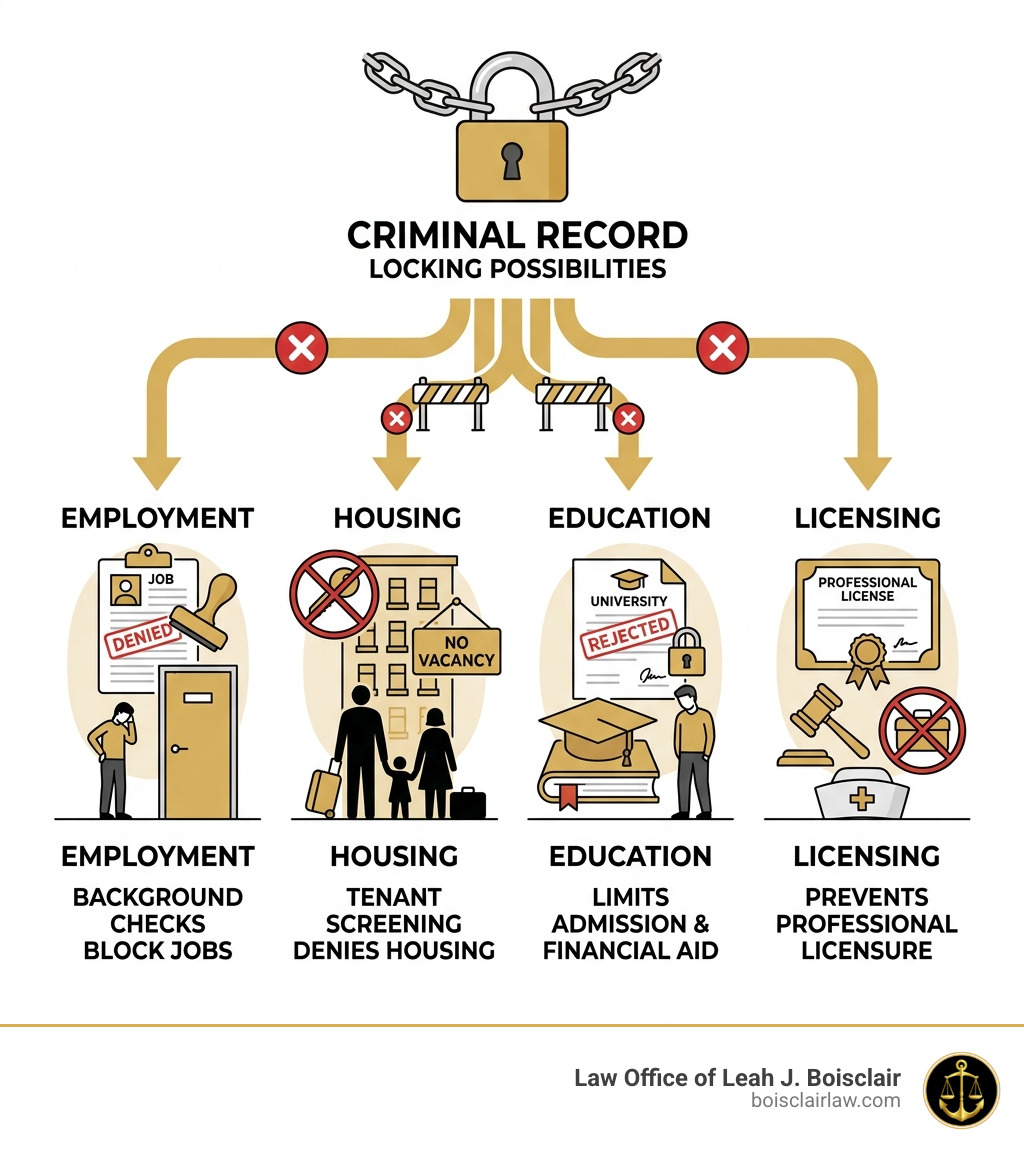
About 70 million adults in the U.S. — roughly 1 in 3 Americans — carry a criminal record that shows up on a routine background check. That record can quietly close doors for years: job applications rejected, housing denied, licenses withheld.
The American Bar Association has identified nearly 48,000 ways a criminal record can negatively affect a person’s life. That’s not a typo. From employment to education to professional licensing, the ripple effects are enormous.
And yet, between 20 and 30 million people in the U.S. are eligible to clear their record right now — and most of them don’t know it.
If you’re living in Rhode Island, Massachusetts, or Connecticut and wondering whether your past has to define your future, the answer may be no. This guide walks you through exactly what expungement is, who qualifies, and what it takes to get started.
Understanding record expungement eligibility

When we talk about “clearing a record,” we are usually referring to record expungement eligibility. While the terms are often used interchangeably, “record relief” is the broad umbrella that includes both expungement and sealing.
The statistics are startling: while 20 to 30 million people are currently eligible for some form of relief, only about 10-20% actually apply. Even fewer successfully complete the process. This “uptake gap” exists because the legal system can be a maze of paperwork, waiting periods, and fees.
In jurisdictions like Texas, the CODE OF CRIMINAL PROCEDURE CHAPTER 55. EXPUNCTION OF CRIMINAL RECORDS provides a rigid framework for who can wipe their slate clean. However, here in Rhode Island, our local statutes offer specific pathways for those who have stayed out of trouble and want to move on with their lives.
Expungement vs. Sealing in Rhode Island
Understanding the difference between these two is vital for your future. In many states, wiping the slate clean in rhode island means different things depending on the court’s order.
- Expungement: This is the “gold standard.” In Rhode Island, an expungement typically results in the physical destruction of the record or its removal from public view. Once expunged, you can legally state on most job applications that the arrest or conviction never happened.
- Sealing: Sealing is more like placing the record in a locked “envelope.” It is hidden from the general public and most employers, but it remains in a confidential capacity for law enforcement or certain high-security agencies.
As noted by the Massachusetts government guide on expungement, expungement is often reserved for those who meet strict time-based criteria or those whose records were created in error (such as identity theft).
Offenses and Charges Eligible for Record Clearing
Not every charge can be erased. Generally, eligibility depends on the severity of the offense and your prior history.
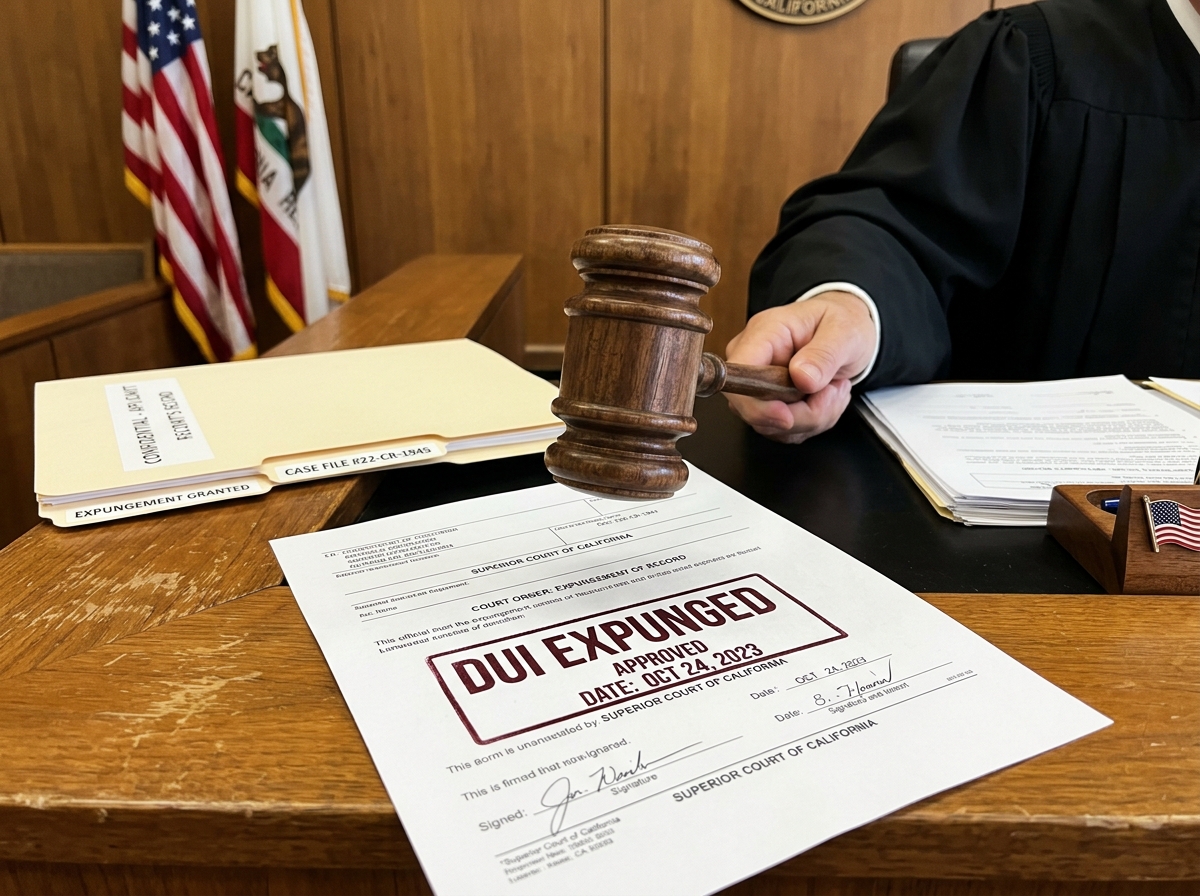
- DUI and Traffic Offenses: Many people ask if they can expunge dui record entries. In Rhode Island, a first-offense DUI may be eligible after the five-year waiting period, provided all conditions of the sentence were met.
- Firearm Offenses: Eligibility for firearm-related charges is strict. If the offense involved violence or a felony conviction, it is significantly harder to clear.
- Assault and Battery: Simple assault charges are often eligible if they are isolated incidents and the waiting period has passed.
- Domestic Offenses: These carry heavy weight. While some may be cleared, they often require a clean record and no further incidents.
- Drug Offenses: With recent marijuana reforms, many old drug possession charges are now eligible for expedited or even automatic relief.
- Public Peace Offenses: Charges like disorderly conduct or public intoxication are some of the most common candidates for expungement.
- Property, White Collar, and Computer Offenses: Non-violent theft, fraud, or computer-related crimes are generally eligible if they are not classified as high-level felonies.
- Sex and Violent Offenses: These are the most difficult—and often impossible—to clear. Crimes involving serious physical harm or those requiring sex offender registration are typically excluded from record expungement eligibility under statutes like those found in Florida’s record laws.
Waiting Periods and record expungement eligibility Requirements
To wipe your record clean with these expungement steps, you must first master the “waiting game.” In Rhode Island, the clock usually starts ticking the moment your sentence is fully completed—this includes probation, parole, and the payment of all fines and restitution.
According to General Laws of Rhode Island Section 12-1.3-2 (2025), the standard waiting periods are:
- First-time Misdemeanors: 5 years of being “crime-free.”
- First-time Felonies: 10 years of being “crime-free.”
You must have no pending proceedings or new charges during this time. If you are arrested again, the clock may reset, or you may lose eligibility entirely.
Navigating Your Path to a Clean Slate

The journey to a clean record isn’t just about the law; it’s about overcoming hurdles. Research shows that 85% of legal aid attorneys report that fines and fees are the primary barrier preventing people from accessing the relief they deserve.
Public support for these programs is high—66% of Americans support automatic record clearing because they recognize that stable employment and housing reduce the likelihood of someone returning to the justice system. Some states, like Oklahoma, have established specific categories for expungement to help streamline this process.
Financial Barriers and the Application Process
Applying for expungement isn’t free, but there are ways to manage the costs. We’ve broken down the typical financial landscape below:
| Expense Type | Estimated Cost (RI) | Notes |
|---|---|---|
| Court Filing Fee | $100 – $200 | Per case/petition |
| Bureau of Criminal Identification (BCI) Fee | $5 – $20 | For your official “RAP” sheet |
| Certified Dispositions | $10 – $25 | Per charge |
| Attorney Fees | Varies | Depends on case complexity |
If you are facing financial hardship, you can file for “indigency status” or a fee waiver. The Rhode Island Attorney General’s Office provides resources on how to obtain your records, but the process of filing the actual petition in court requires precision. One missing certified document can lead to a denial.
Automatic Relief and Clean Slate Laws
The “Clean Slate” movement is changing the landscape of record expungement eligibility. Pennsylvania has already cleared over 33 million records through automatic processes.
In Rhode Island, there is a growing push to expunge records under new laws, particularly for decriminalized offenses like small-scale marijuana possession. In these cases, the burden is shifting away from the individual and toward the state to clear records that no longer reflect current laws. However, for most convictions, a petition is still required.
Why Professional Legal Help Matters for record expungement eligibility
While you can technically file for expungement on your own, the “do-it-yourself” route is fraught with risks. A single error on your petition can result in a judge denying your request, often forcing you to wait months or even years before you can try again.
At the Law Office of Leah J. Boisclair, we specialize in helping our neighbors in Cranston and Providence navigate these complex waters. Whether you are finding the best providence and cranston dui expungement help or trying to clear an old felony, we provide personalized advocacy.
We understand the difference between a misdemeanor and a felony, and we know exactly which court holds jurisdiction over your case. When you work with us, we start with a comprehensive Client Intake Form to gather every detail of your legal history, ensuring no eligible charge is left behind.
Expungement is more than just paperwork; it’s a second chance. If you’re ready to stop letting your past dictate your future, explore our practice areas to see how we can help you turn the page.
Common Reasons for Expungement Denials:
- Incomplete Sentences: Failing to pay a small court fee or missing one day of community service.
- Waiting Period Errors: Applying at 4 years and 11 months for a 5-year requirement.
- New Offenses: Even a minor charge during the waiting period can disqualify you.
- Ineligible Crimes: Attempting to expunge a violent crime that is barred by statute.
Don’t leave your future to chance. Record expungement eligibility is a powerful tool, but it must be wielded correctly. Let us help you navigate the process and secure the clean slate you’ve worked so hard to earn.